
REPLAY - Moving Image Series
Gypsum is pleased to present the second edition of REPLAY, a series dedicated to online presentations of moving-images by artists. Focusing on film, the series recirculates works that are often encountered only within exhibition settings, making them accessible for broader public viewing.
For its second edition, REPLAY considers recirculation as the passing on of a work into a new moment to be encountered differently. This iteration features Dimitra Charamandas' 2023 film Sun Burn, made in collaboration with Irene Trujillo, Luca Mengisen, Julie Olympia Cahannes, alongside a spotlight of her ongoing project, the Living Archive.
The film will stream on our website from 16 July to 16 August.
SUN BURN
DIMITRA CHARAMANDAS
DIGITAL FILM, 8 MIN 14 SEC. 2023
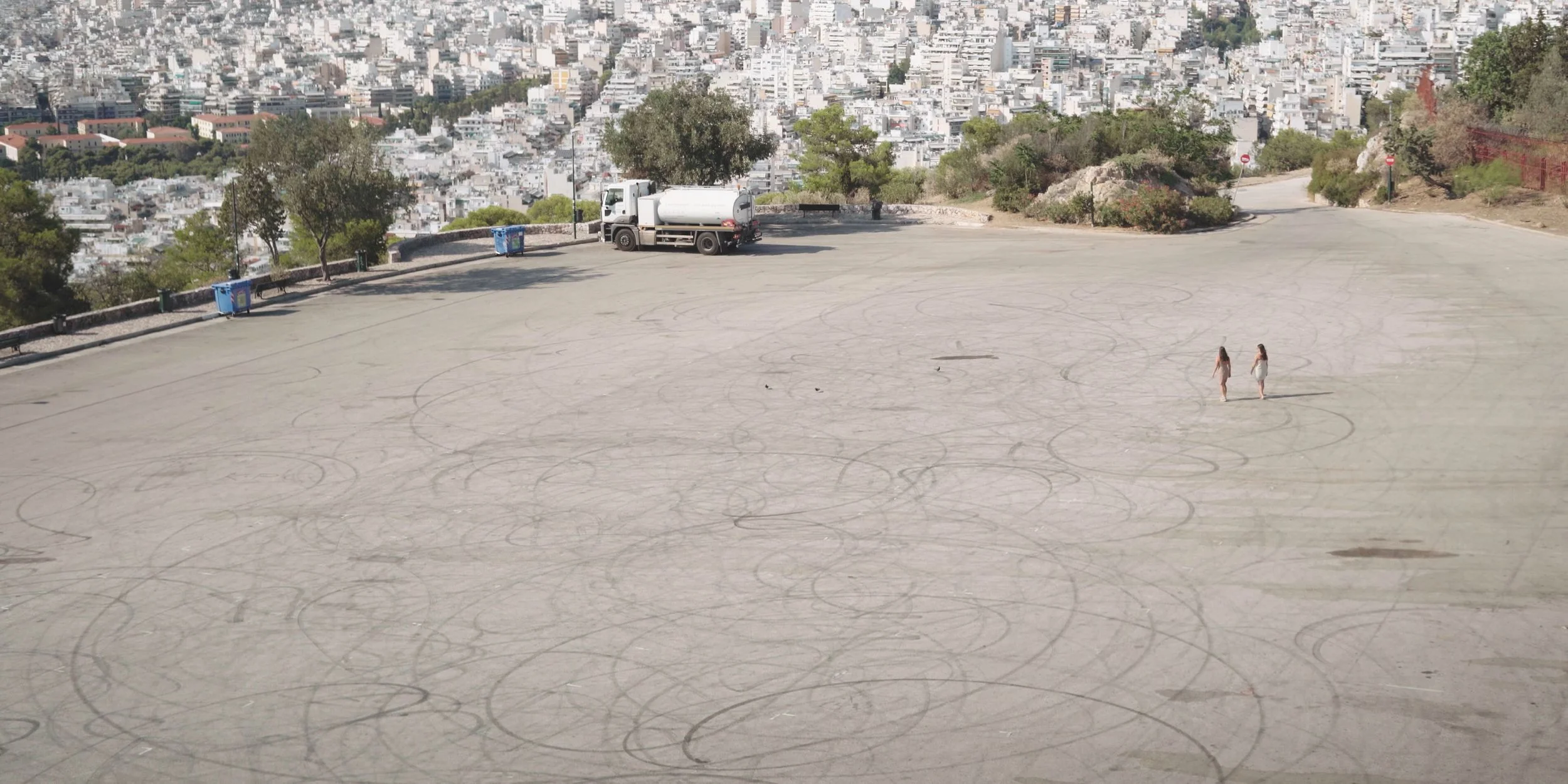
A film by Dimitra Charamandas, Irene Trujillo, Luca Mengisen, Julie Olympia Cahannes. Guitar: Joshua Jörin. Title/Graphic Design: Bureau Mia, Martina Meier.
Sun Burn was shot over five days by a group of befriended visual artists and filmmakers who took a roadtrip along the Greek Gulf of Corinth. Tracing human imprints, the film is a series of curious encounters with their immediate landscape. Circular tyre marks in a parking lot are synchronically circled by two distant figures. Islands of settled dust are outlined with spray paint before being blown away. Rather than seeking to explain or represent the landscape, these gestures fixate on its fleeting conditions and shifting surfaces.
The passage of light across the Gulf's red earth carries the viewer through the course of a day and tilts over into the night. Rich in bauxite and iron, this landscape that Charamandas has been fond of since childhood appears at once abundant and unstable, its vivid colour hinting at both mineral richness and toxicity. The buzzing electric lines and cicadas, the blinding white façades, the overgrown graves, and fallen fruit accumulate into an atmosphere where the ordinary becomes quietly ambivalent, as the organic sounds of bees and the sea blur into the white noise of engines and distant highways.
Rather than approaching the sun as a source of warmth and growth, the film investigates it as a force of exposure. Heat intensifies perception, making visible the contradictory ways we inhabit the landscape. The sun as both a sign of pleasure and the threat of extreme temperatures, drought, and wildfire that lingers. Night as both shelter and the cover under which nocturnal life thrives, and human extraction persists. At the edge of day and night, sharply defined outlines begin to dissolve. As opposed to resolving these tensions, the film asks what forms of encounter become possible when the landscape is approached not as something to possess, but as something to remain in relation with.
Dimitra Charamandas is a Greek-Swiss artist whose work spans painting, moving image, writing, sculpture, and food. It foregrounds the sensory to explore the tensions between vulnerability and force, rupture and repair. Through walks as a form of embodied outdoor research, Charamandas approaches landscapes in their sensual and sociopolitical implications. In her collaborations and gatherings centered around food and community exchange, she examines communal rituals of mourning, celebration, and the everyday as fertile grounds for the weaving of bonds and resistance.
Screening History
2026 Always the Sun, group show at Riga Contemporary Art Space (upcoming)
2024 Go Short - International Short Film Festival Nijmegen
2023 Internationale Kurzfilmtage Winterthur
Special thanks to: Mpampis Papaspyrou, Colette Pfaehler, Stylianos and Regula Charamandas.
LIVING ARCHIVE, ONGOING
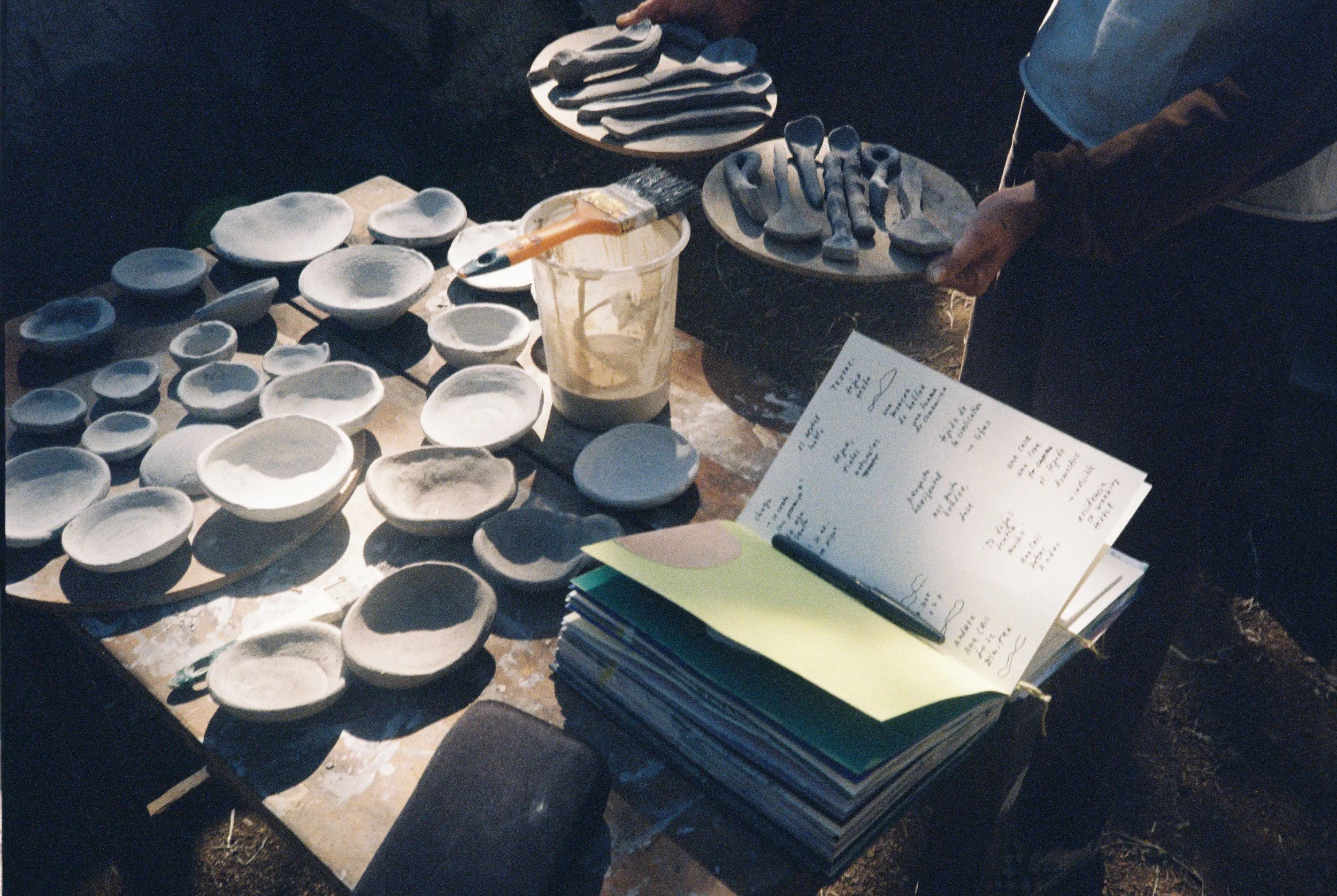
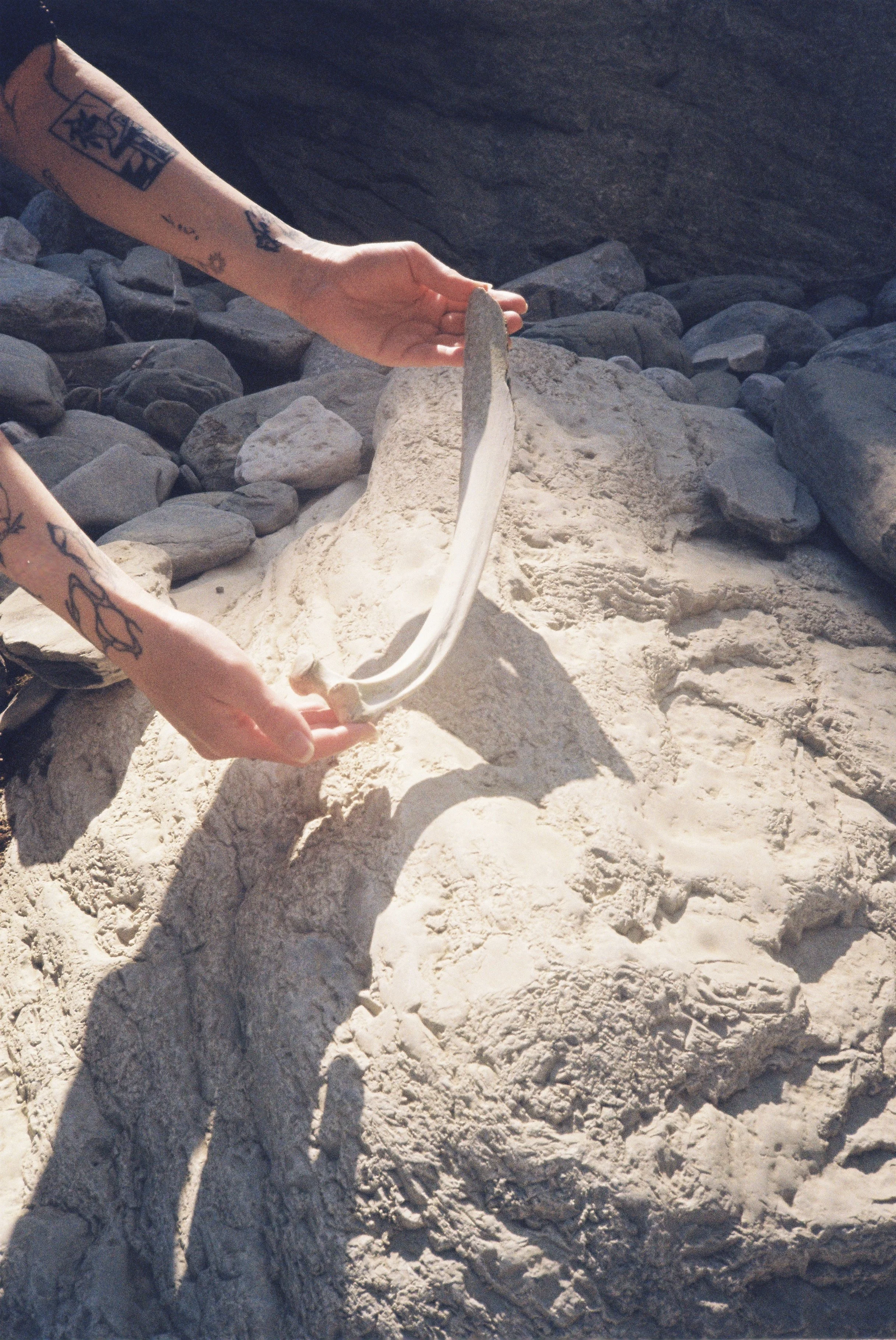
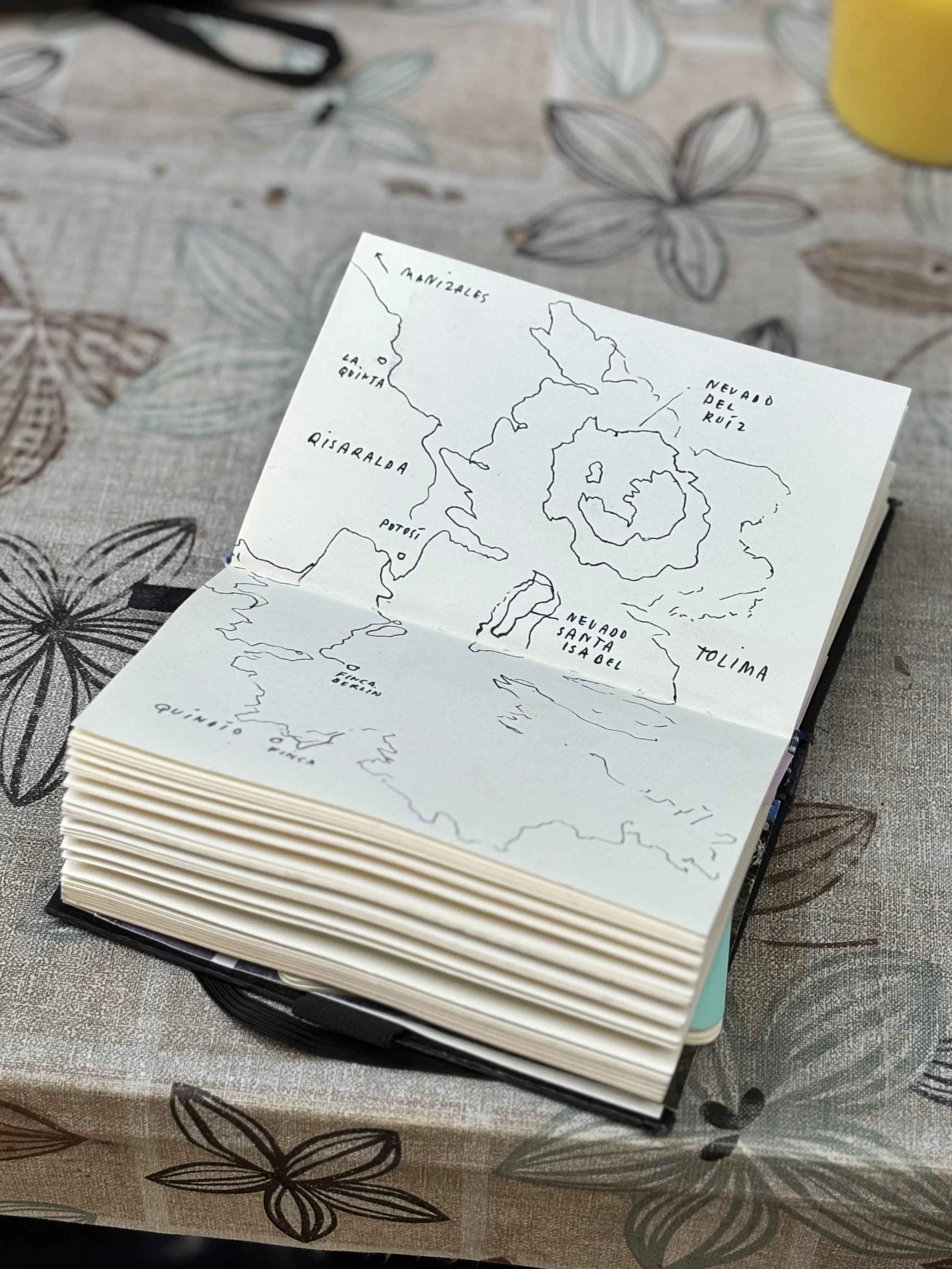
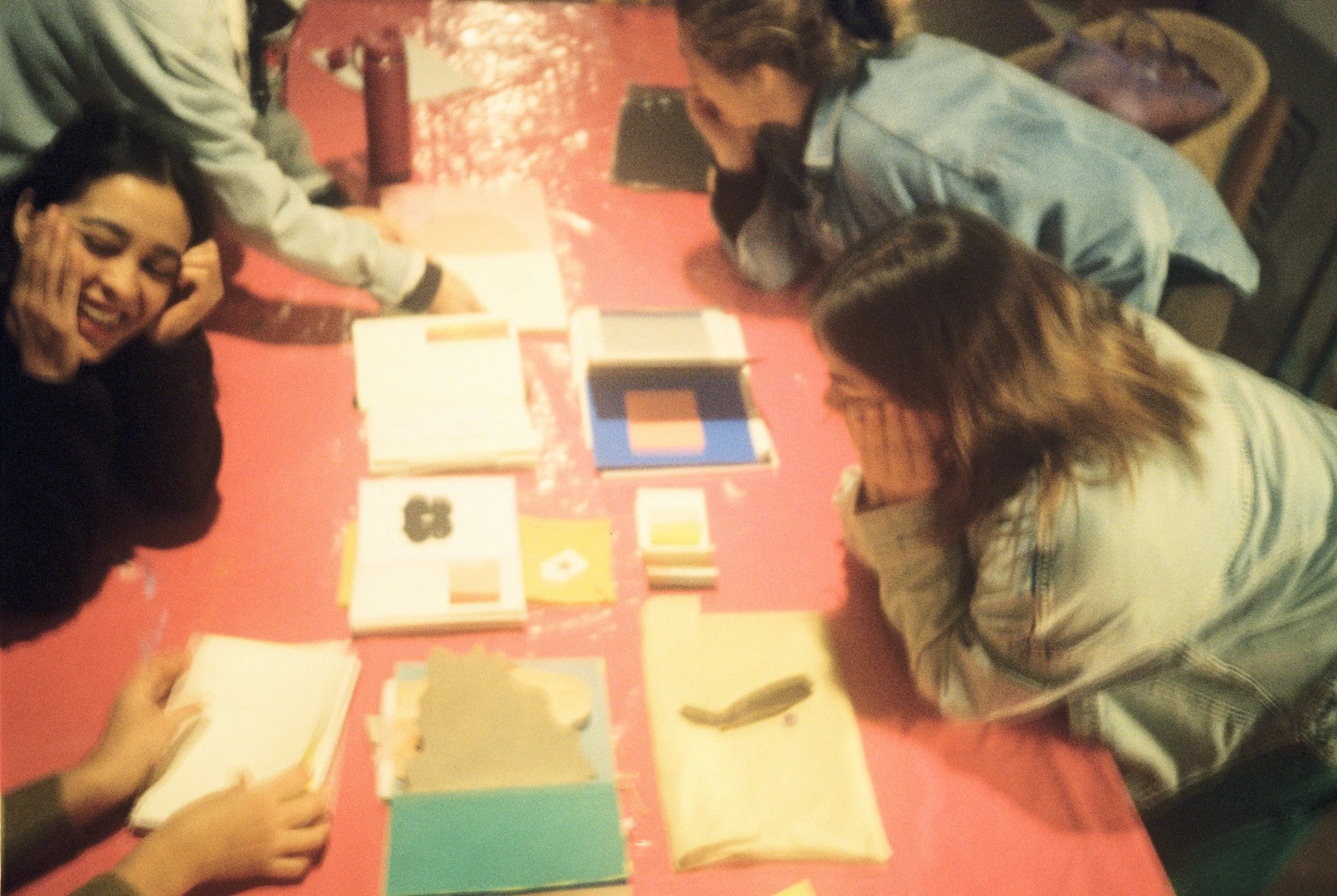
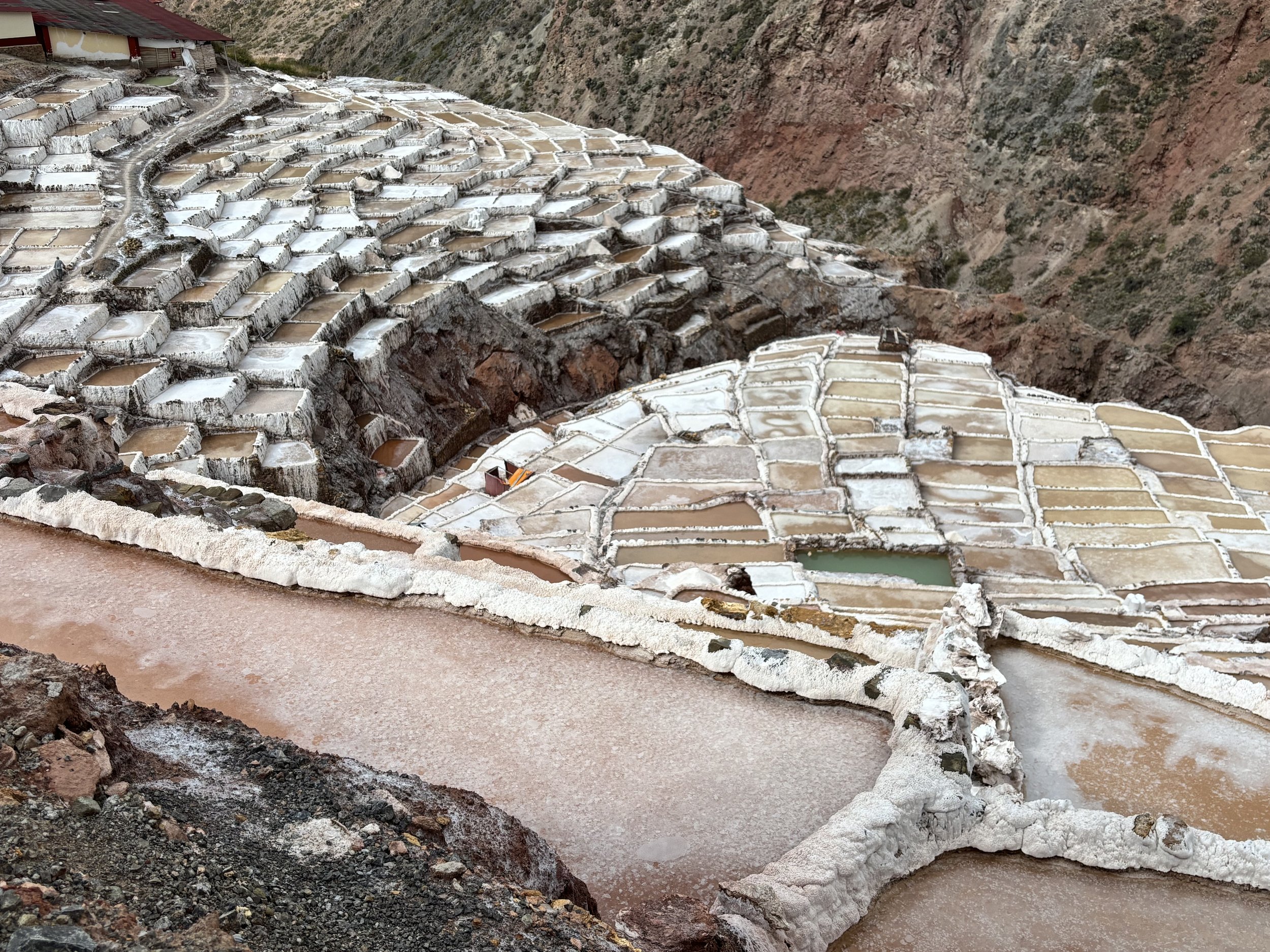
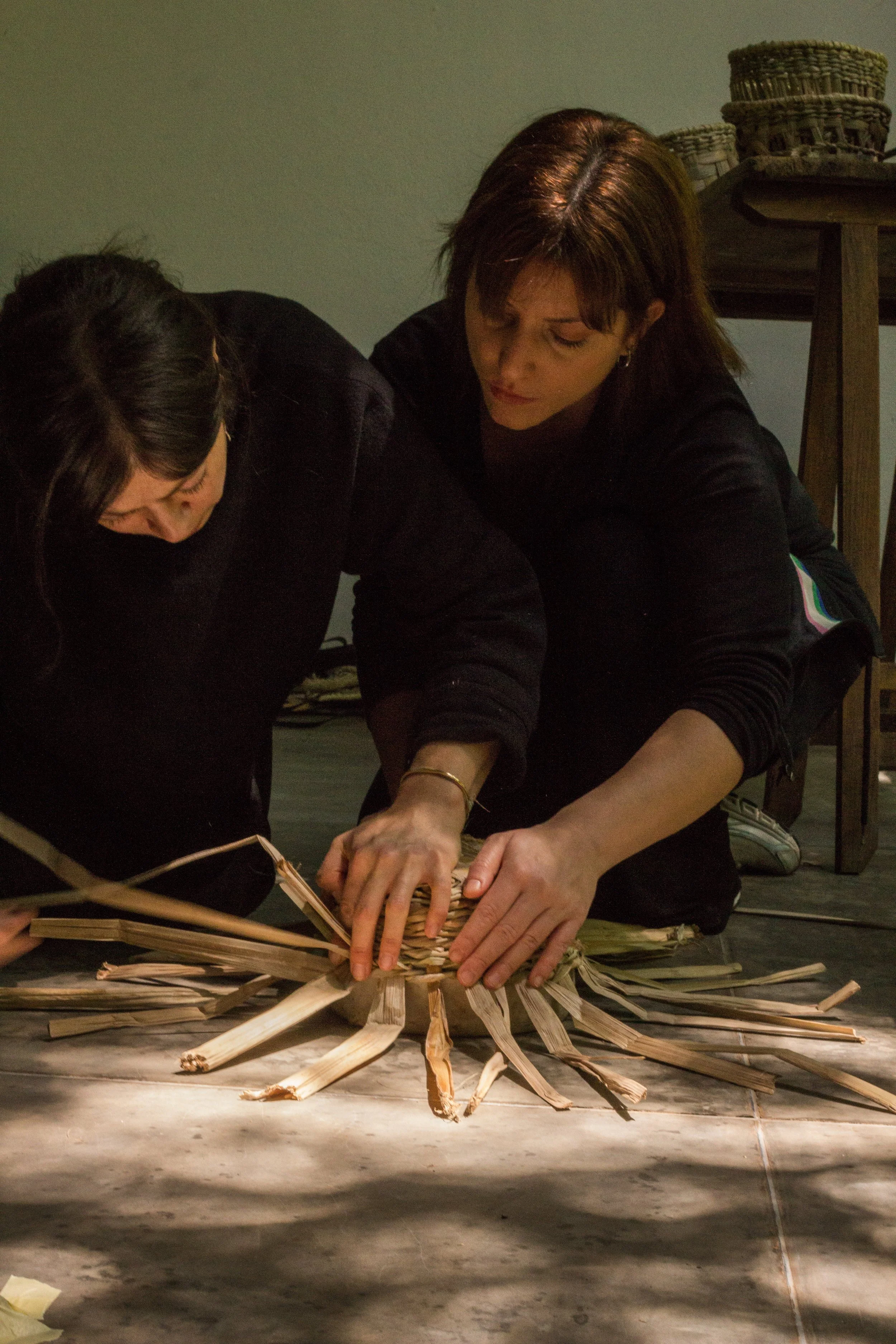
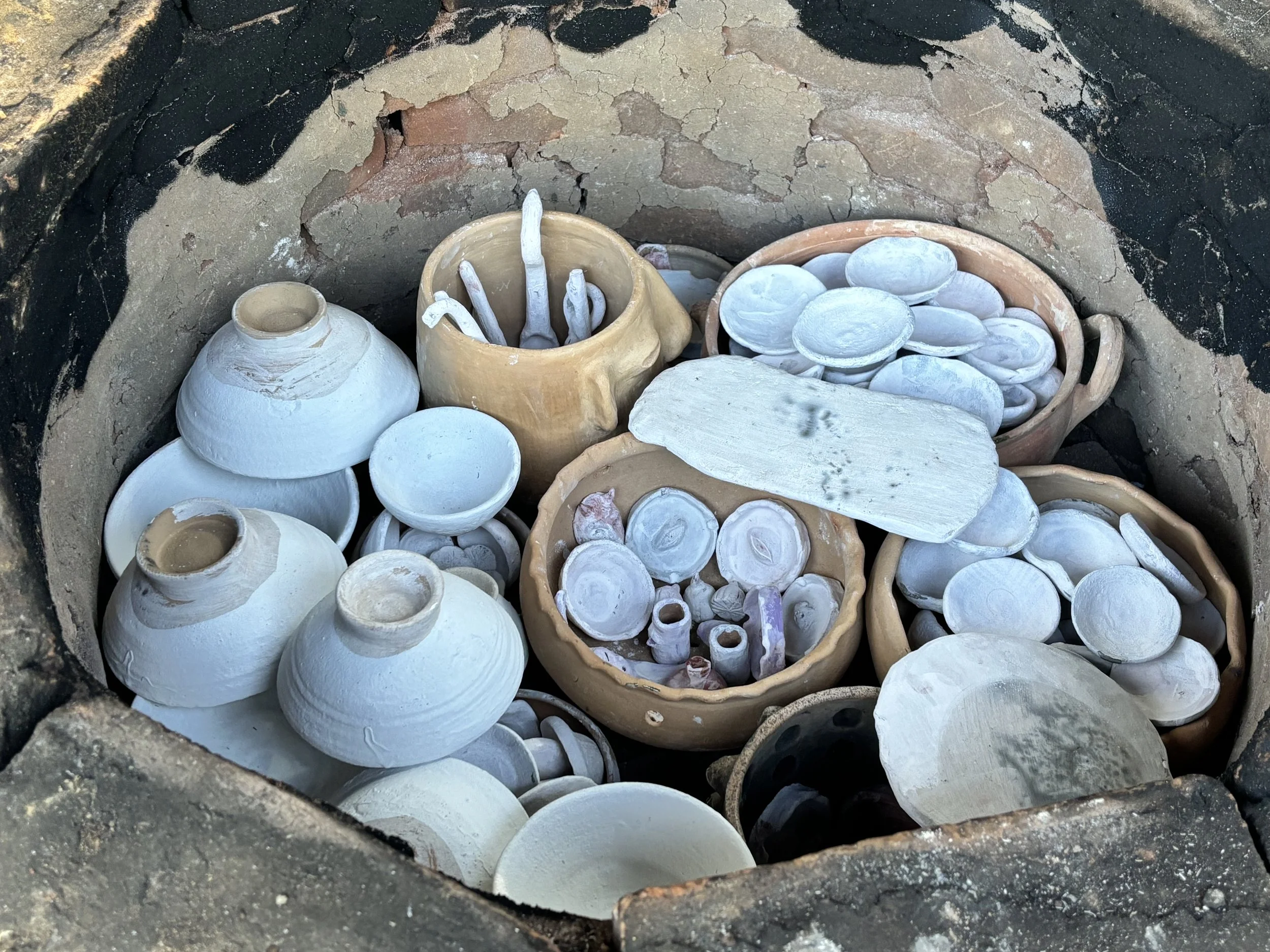
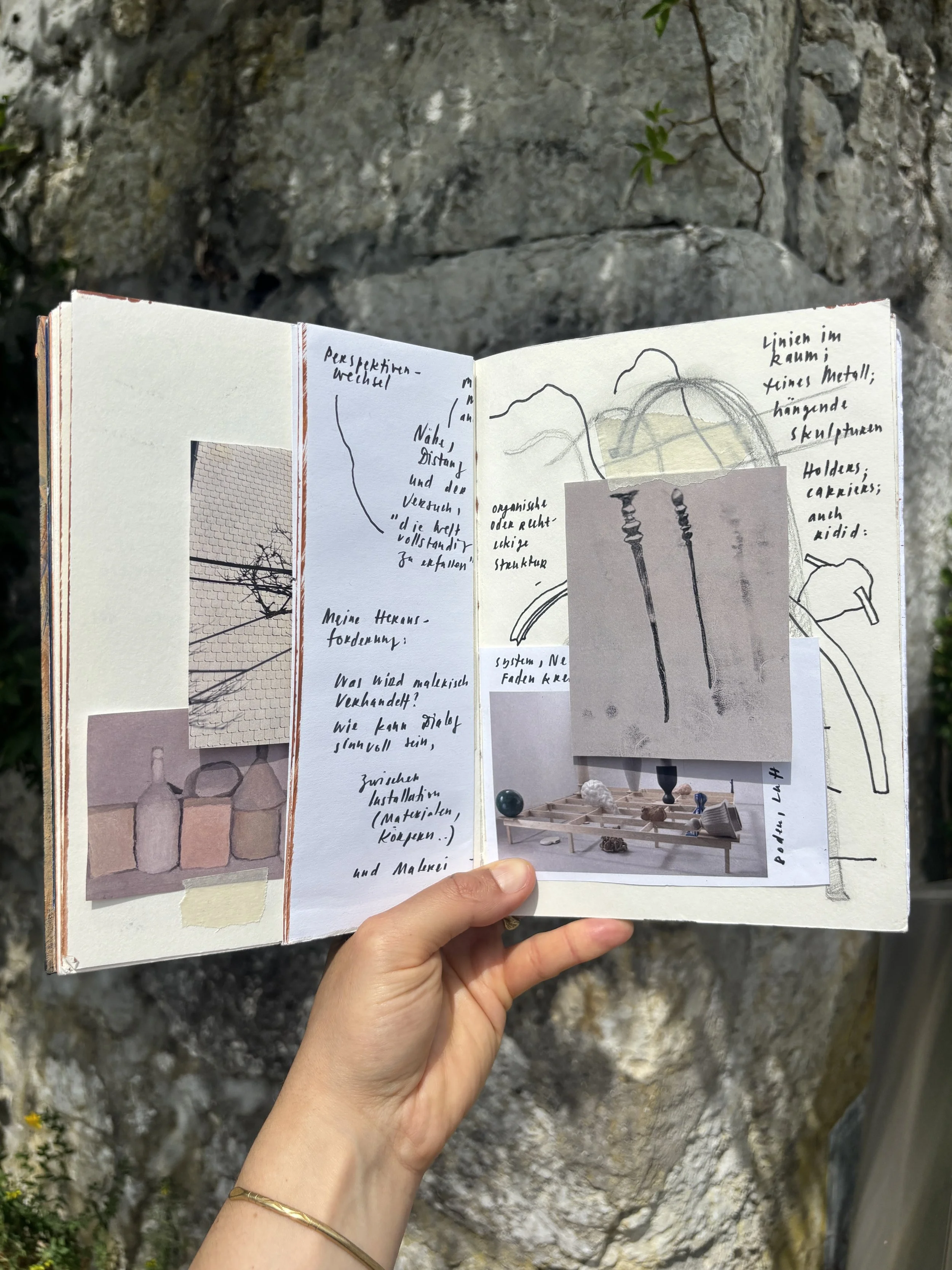
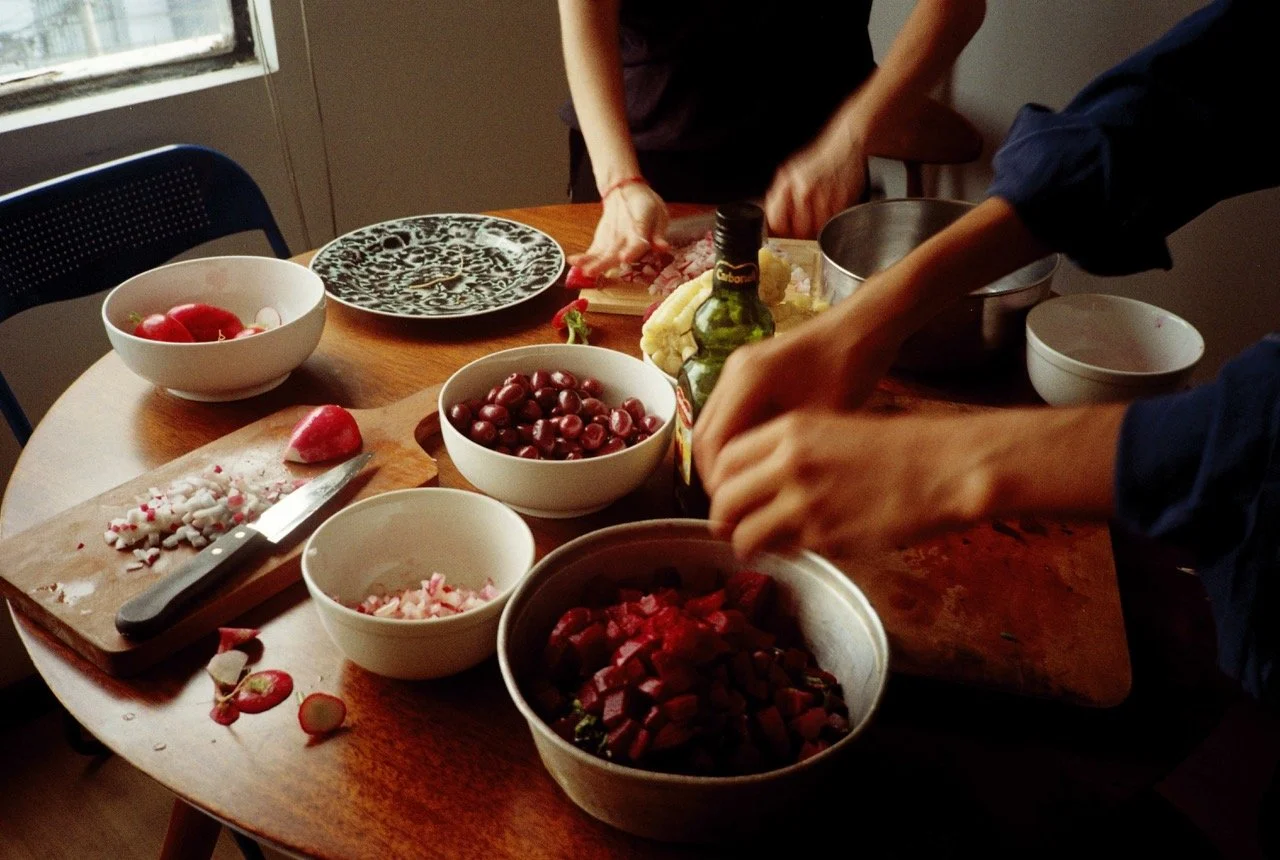
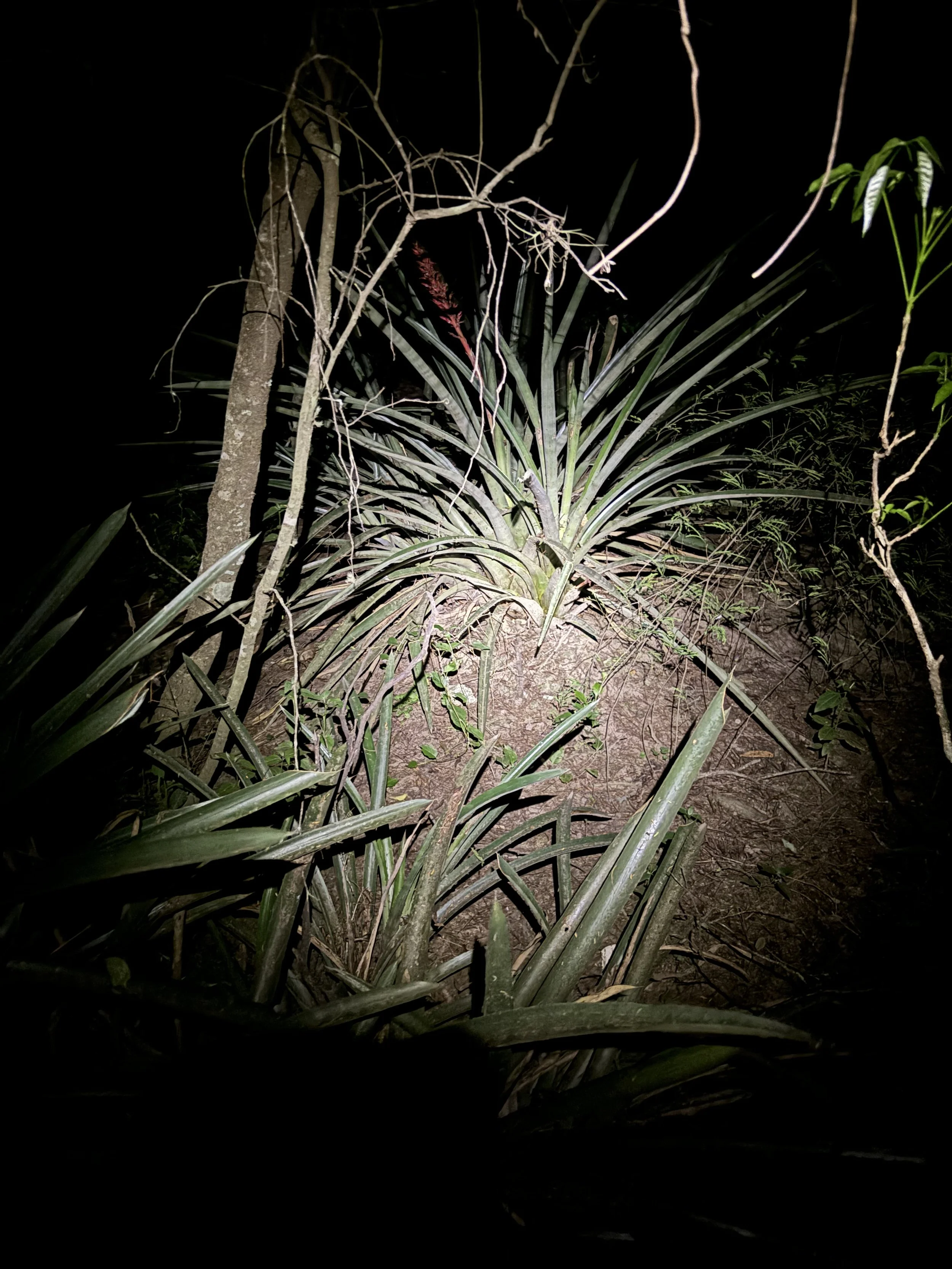
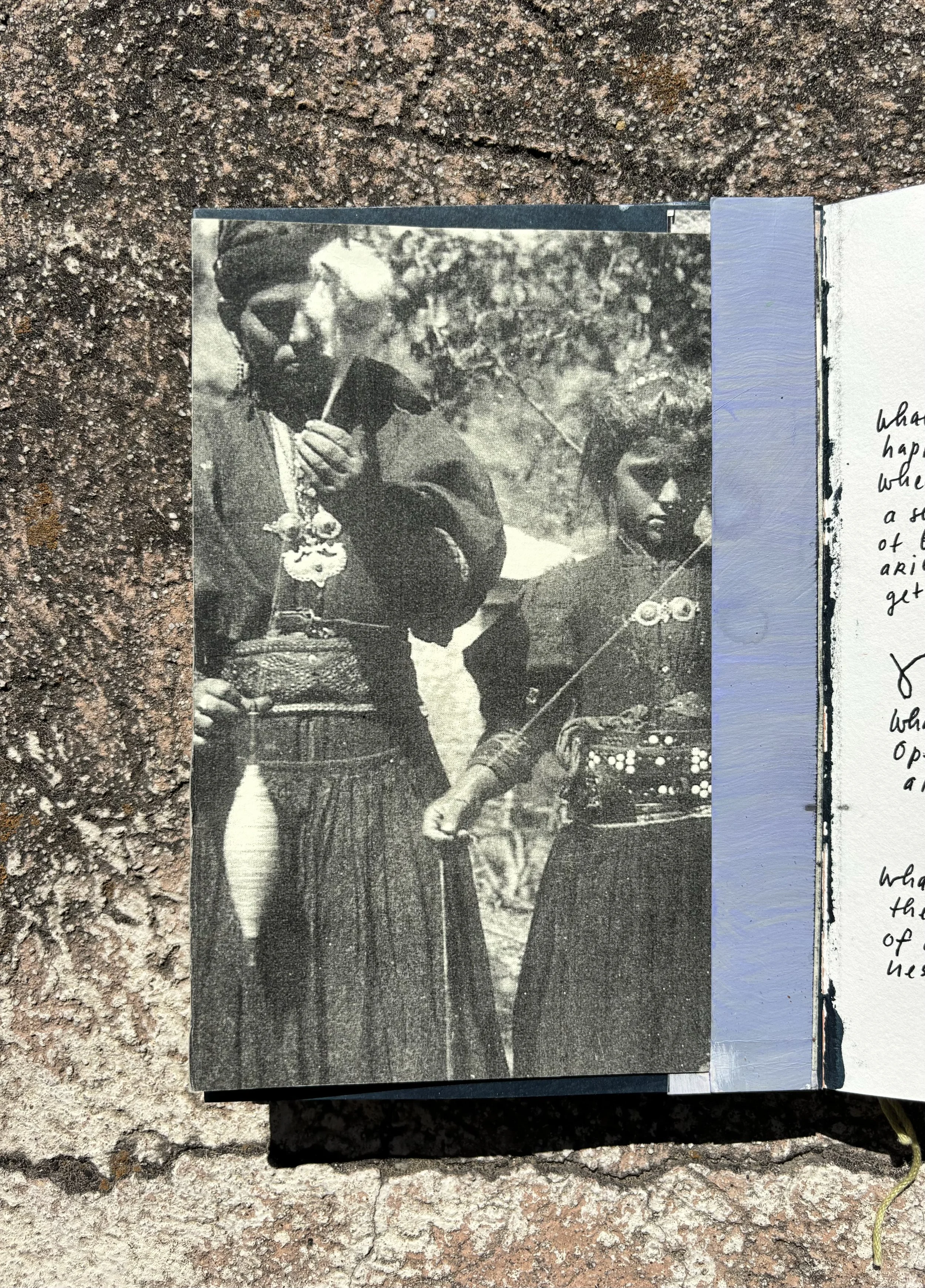
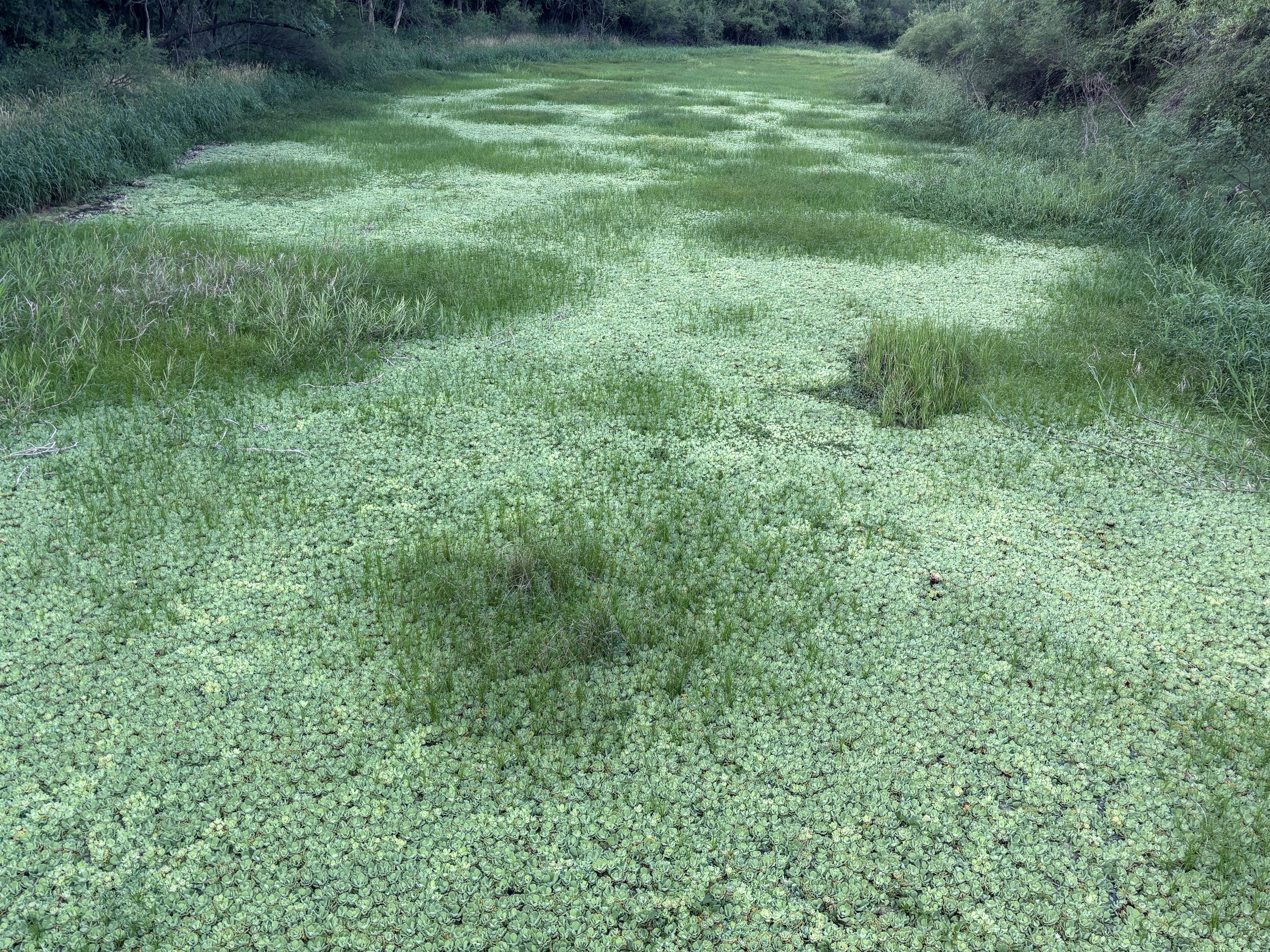
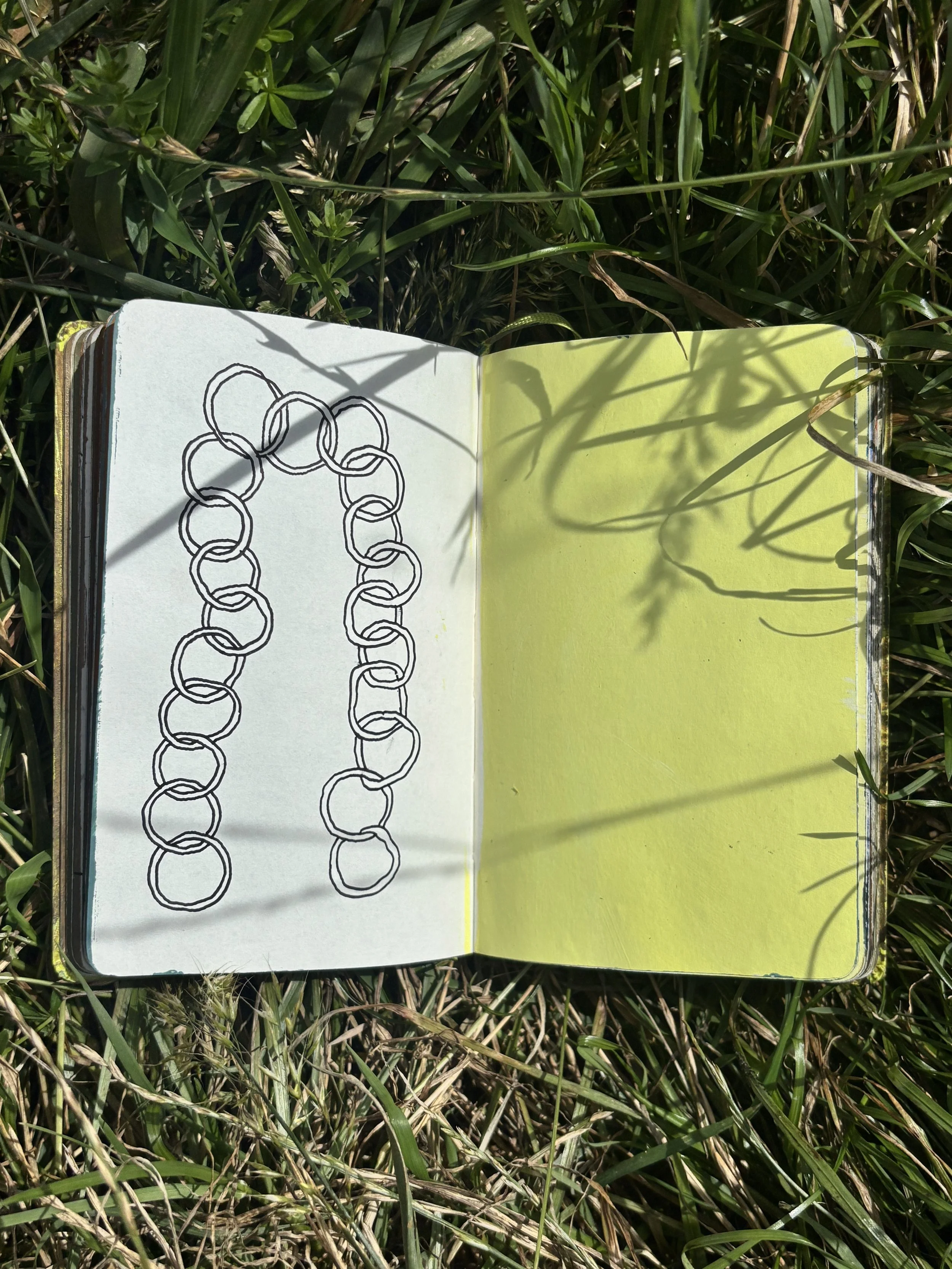
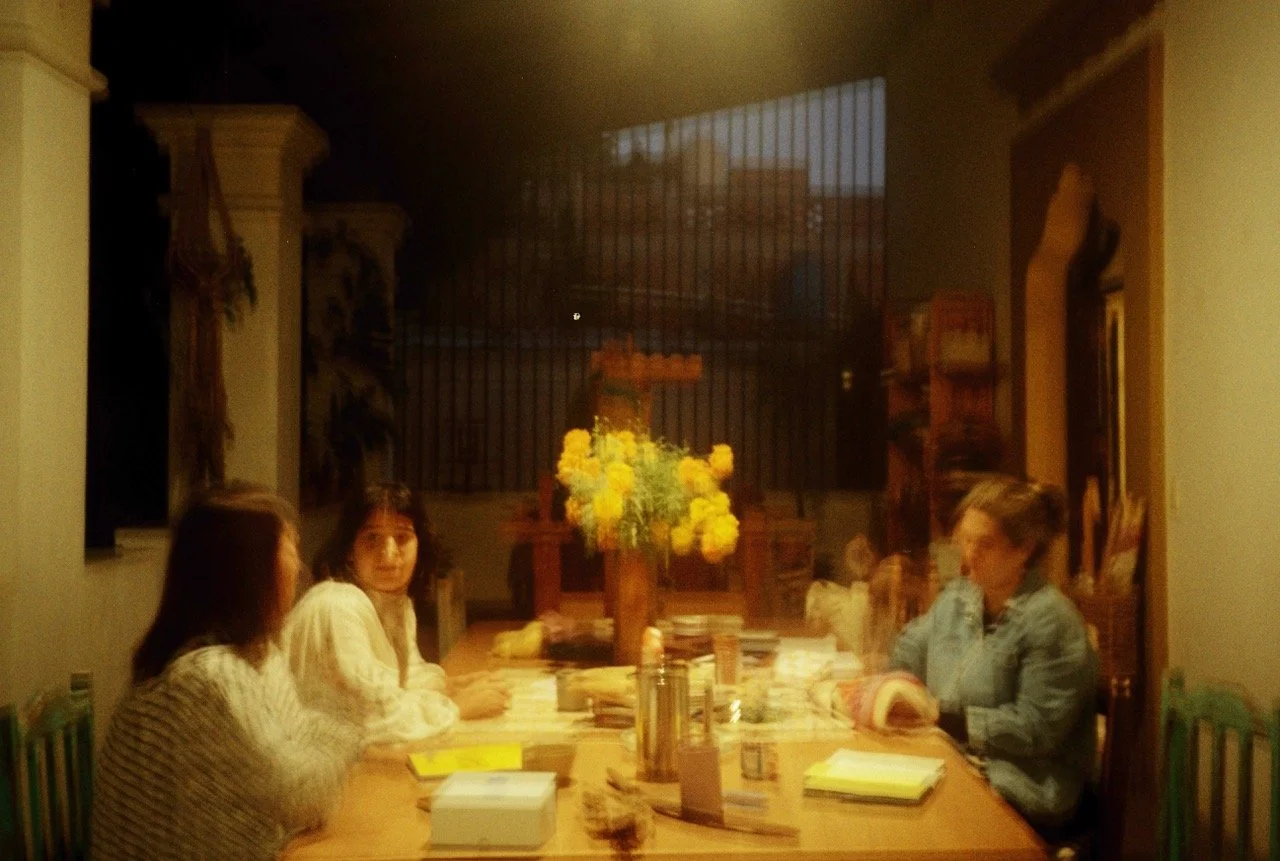
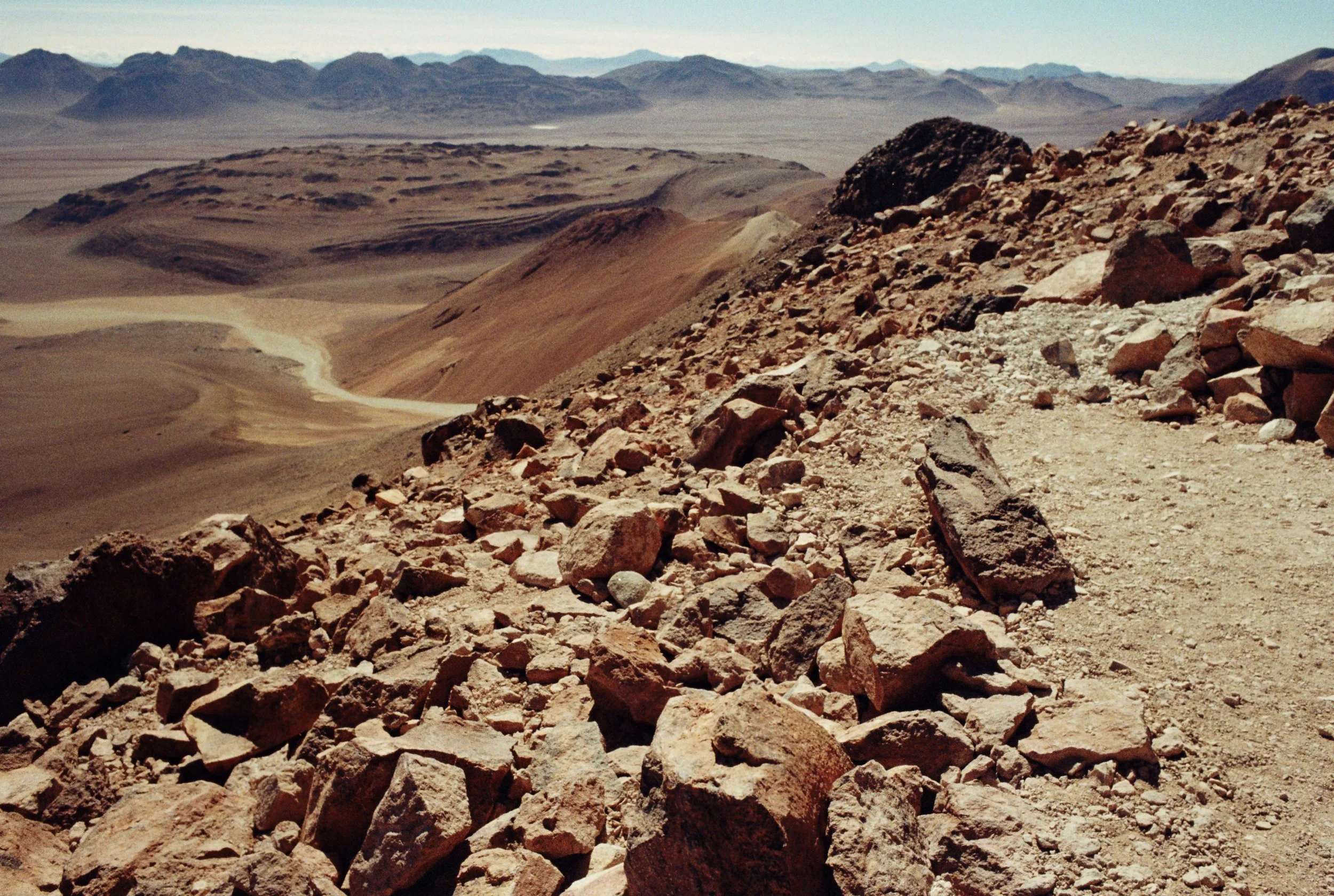
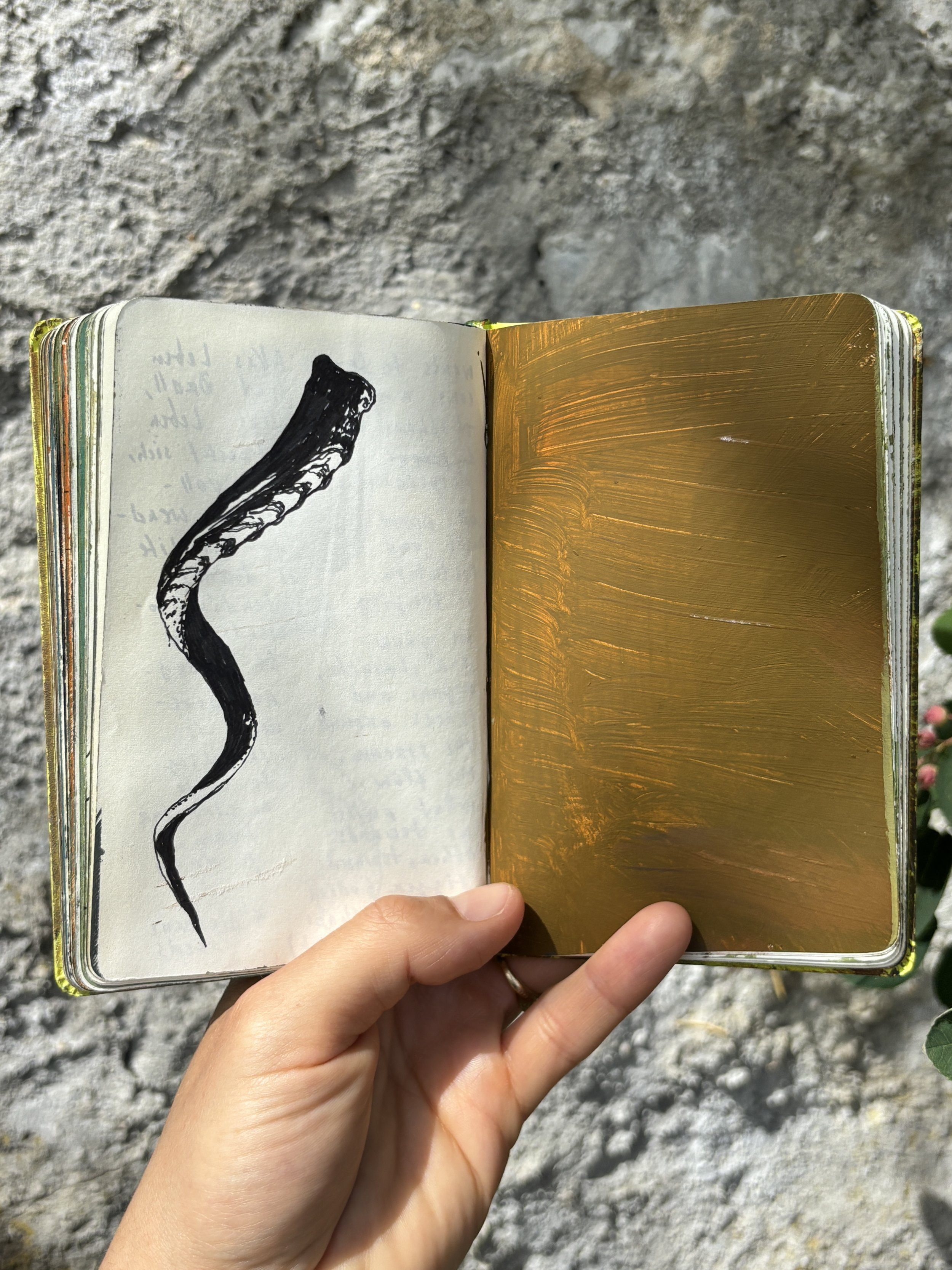
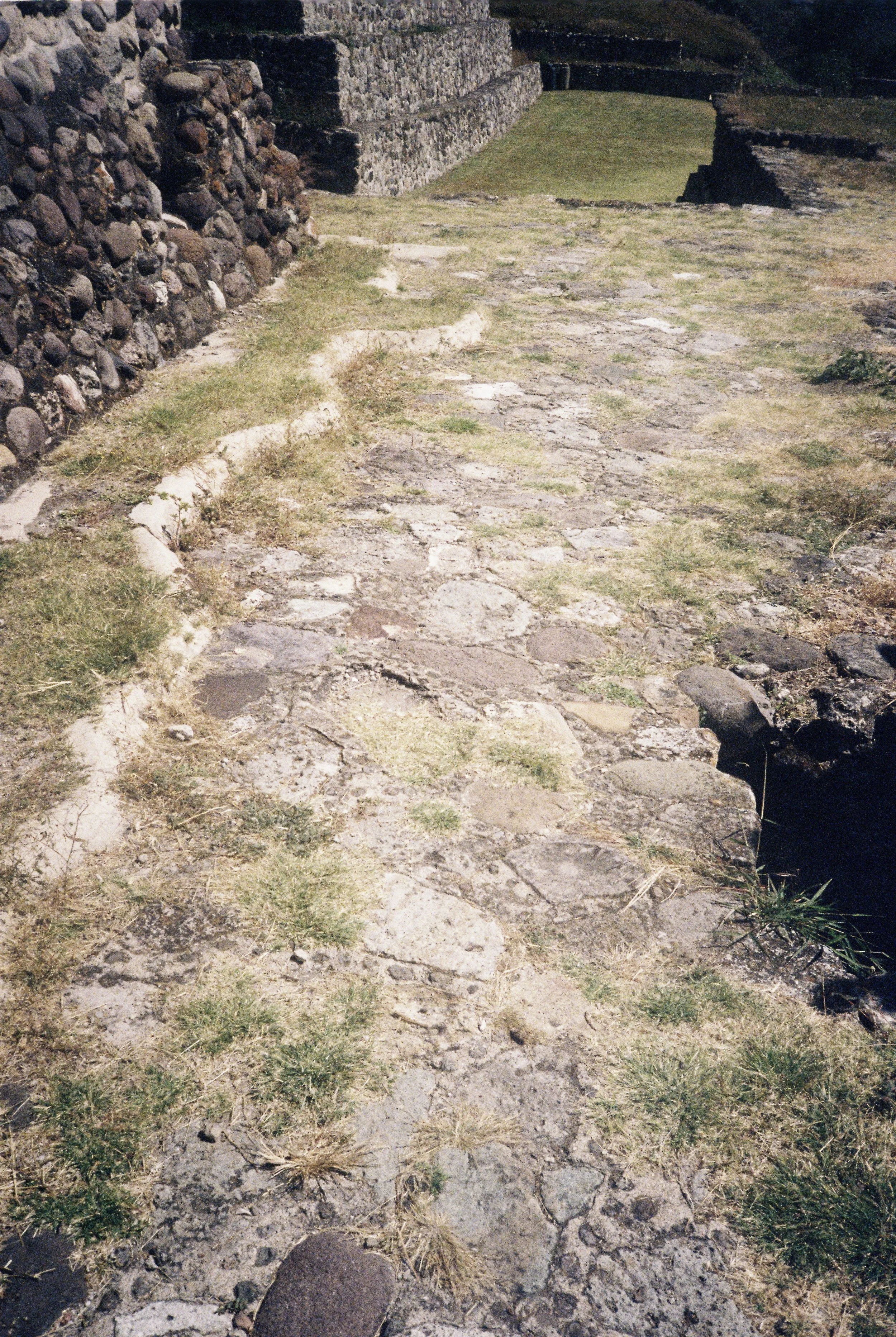
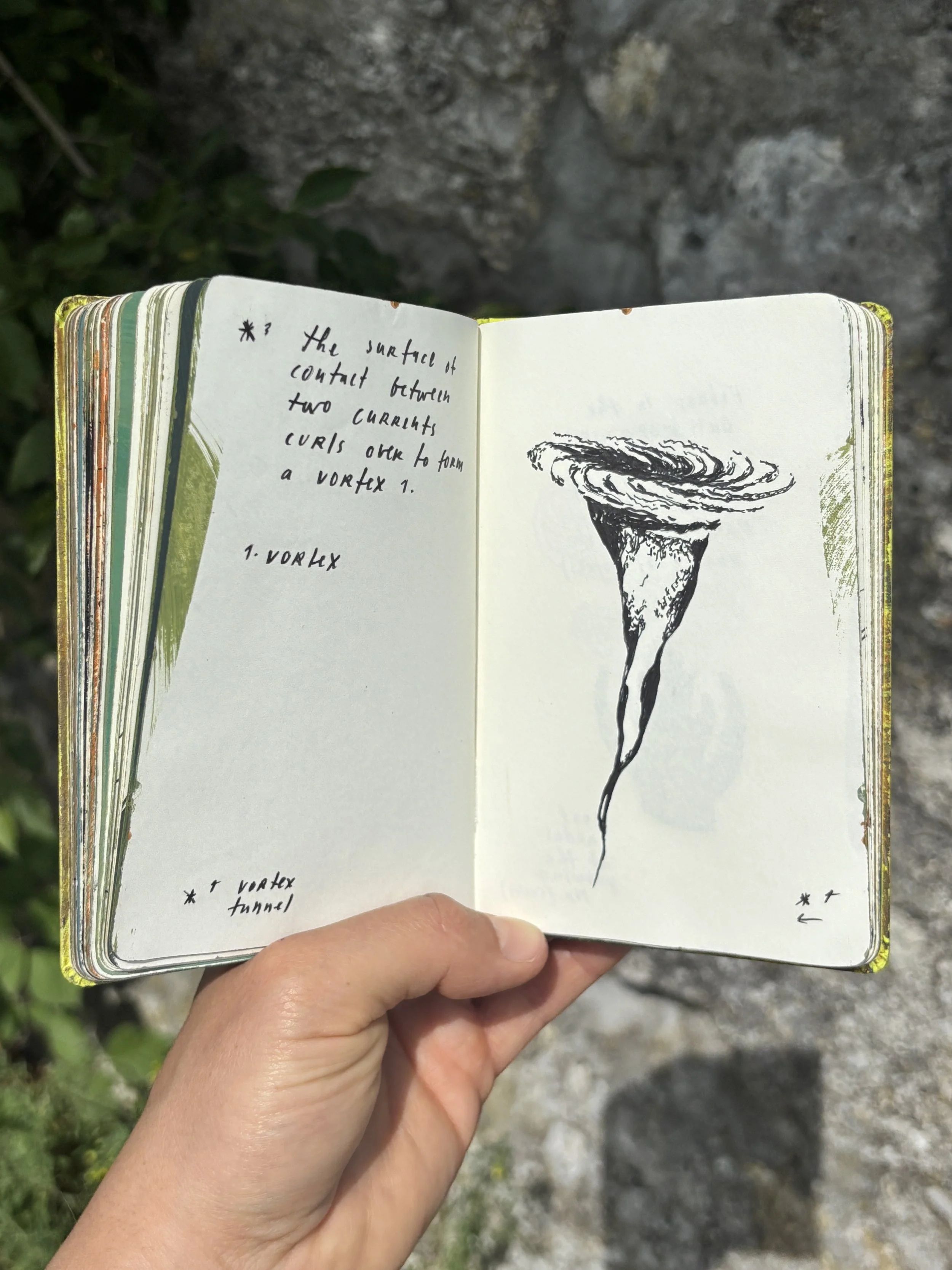
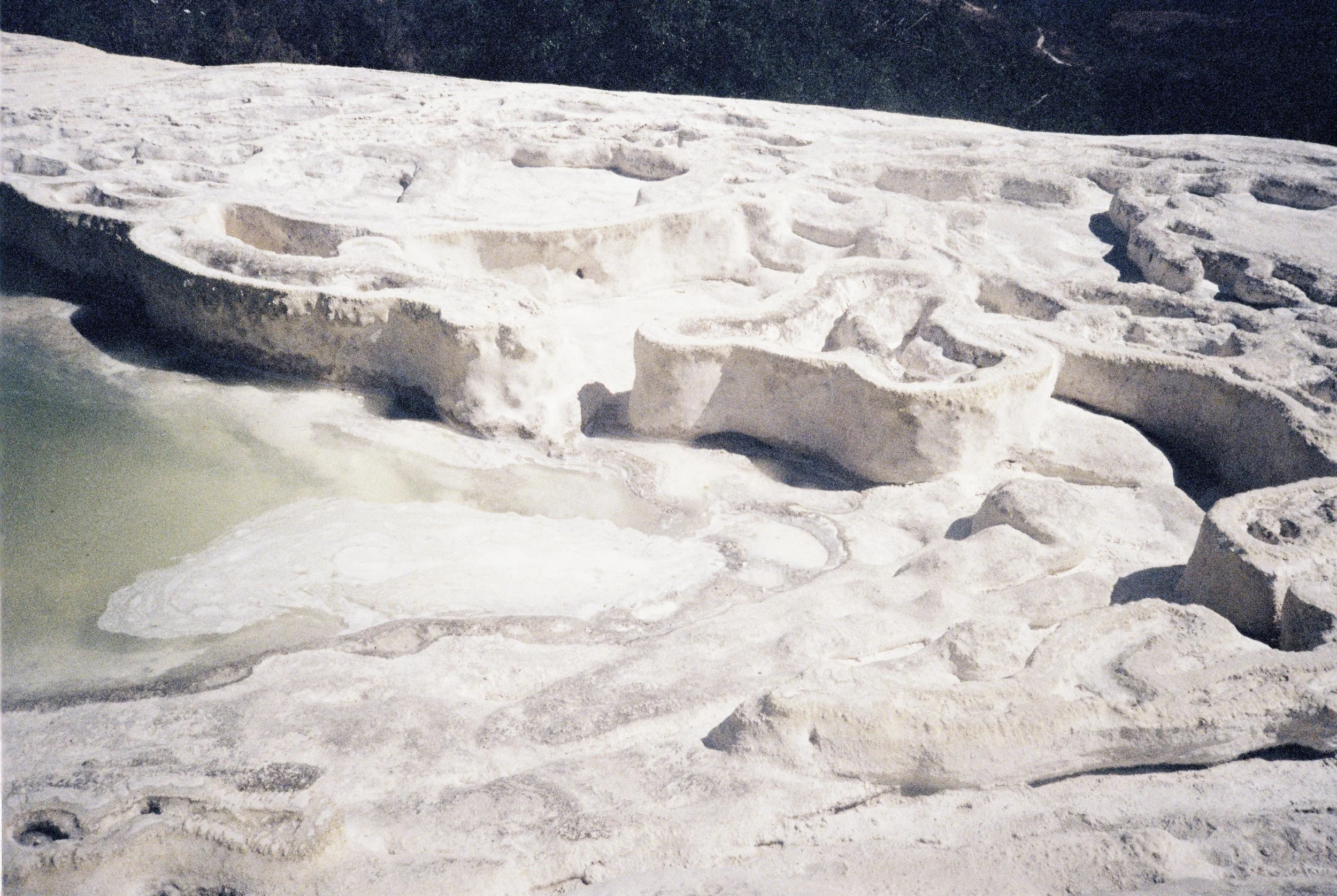
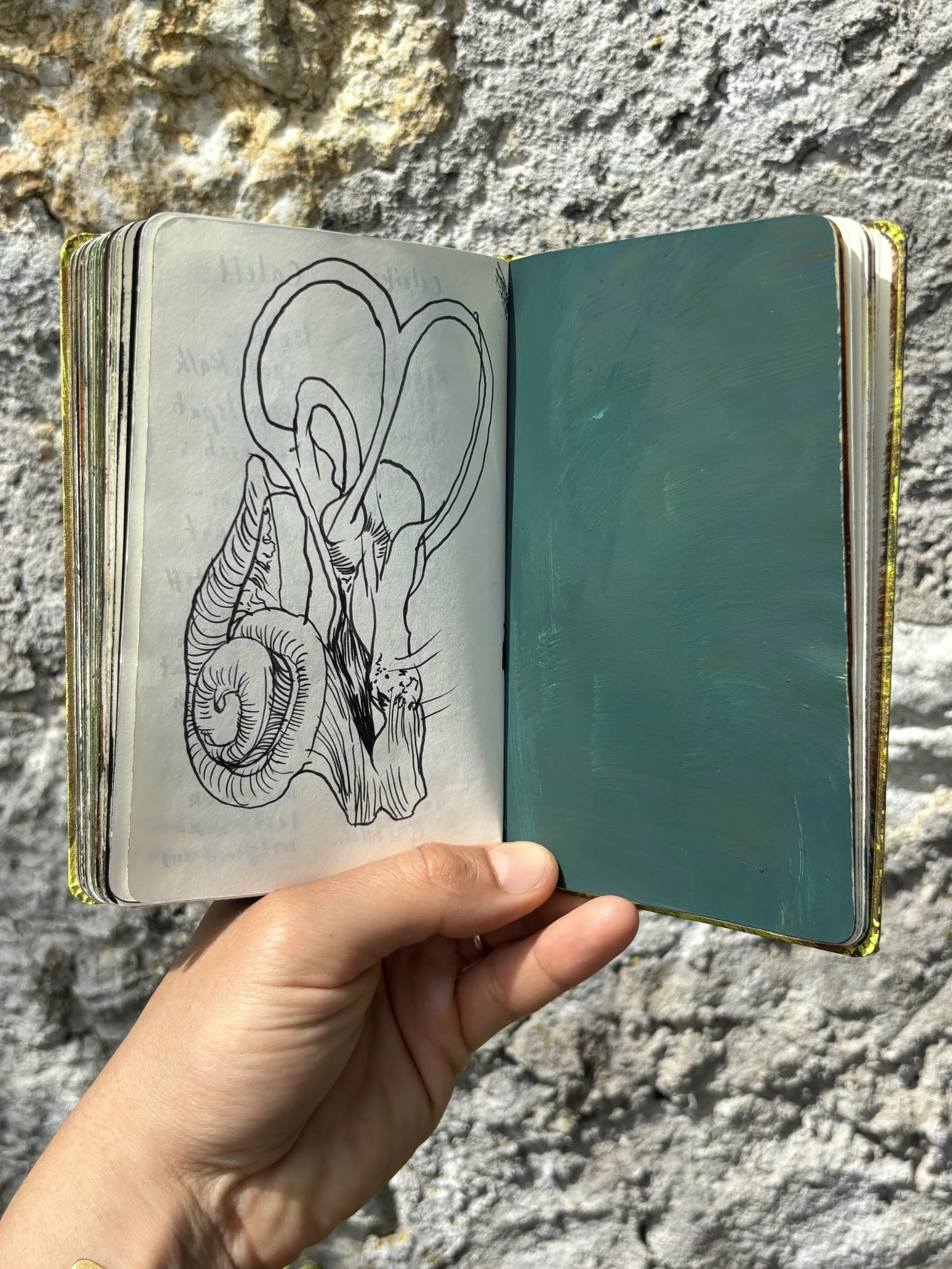
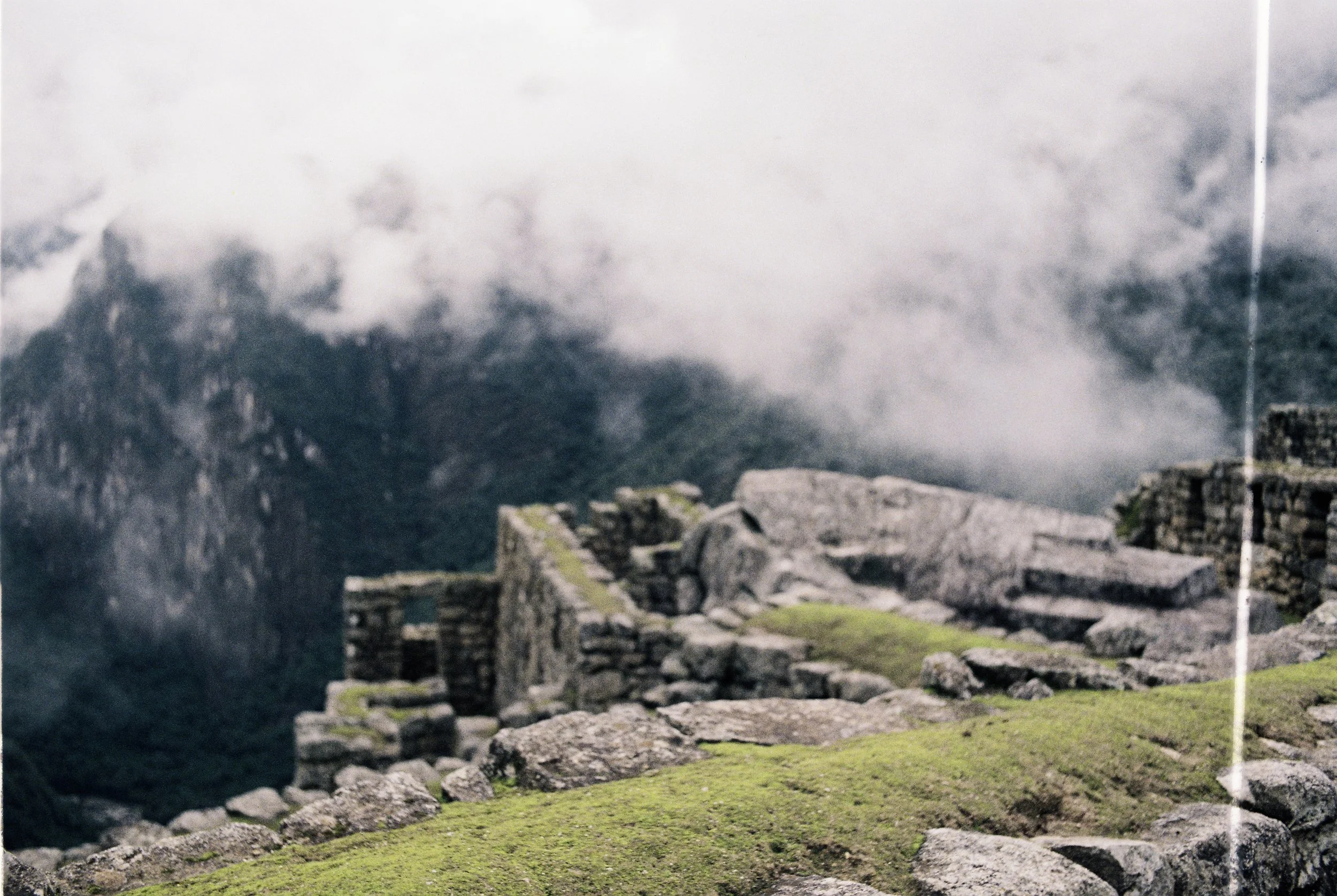
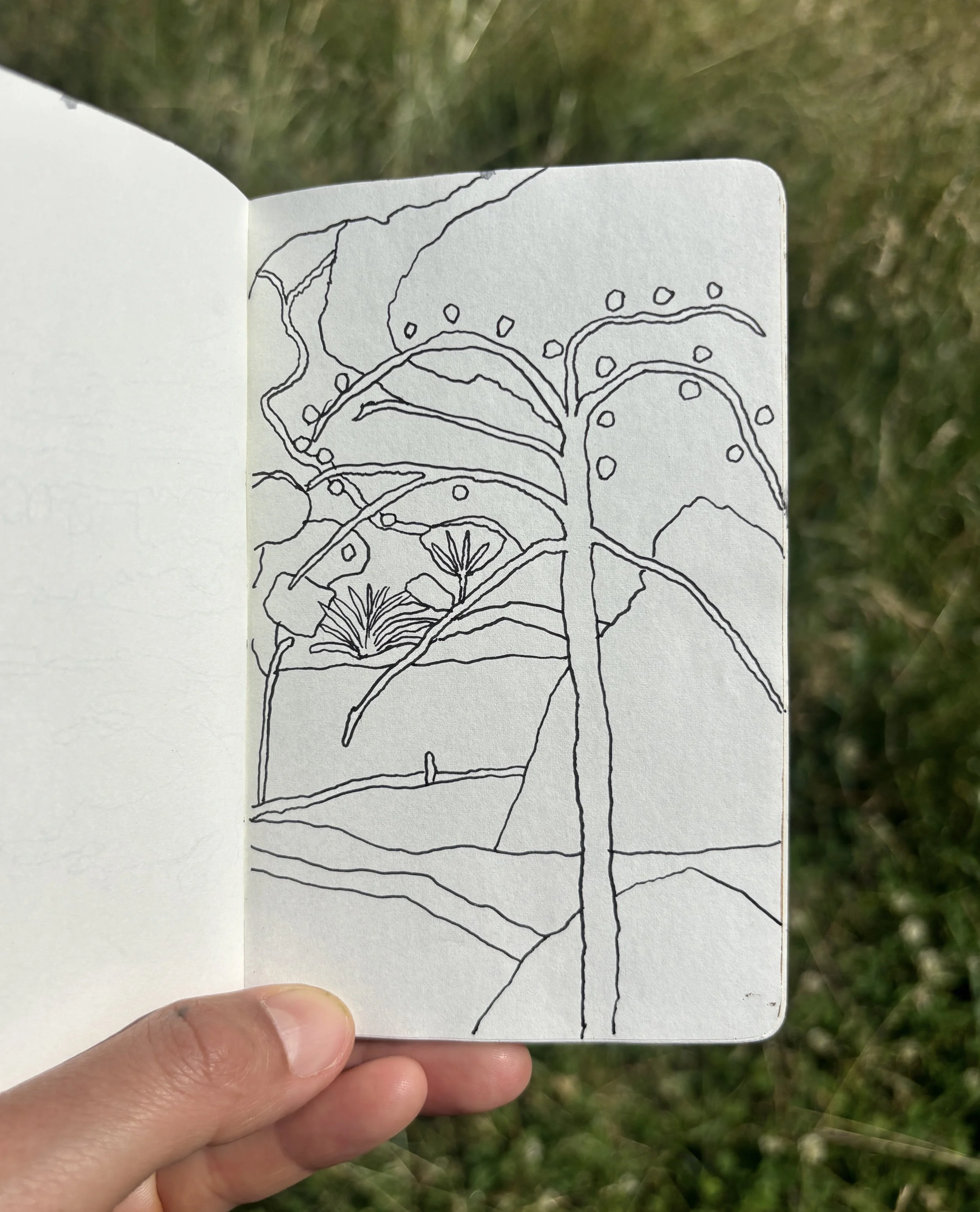
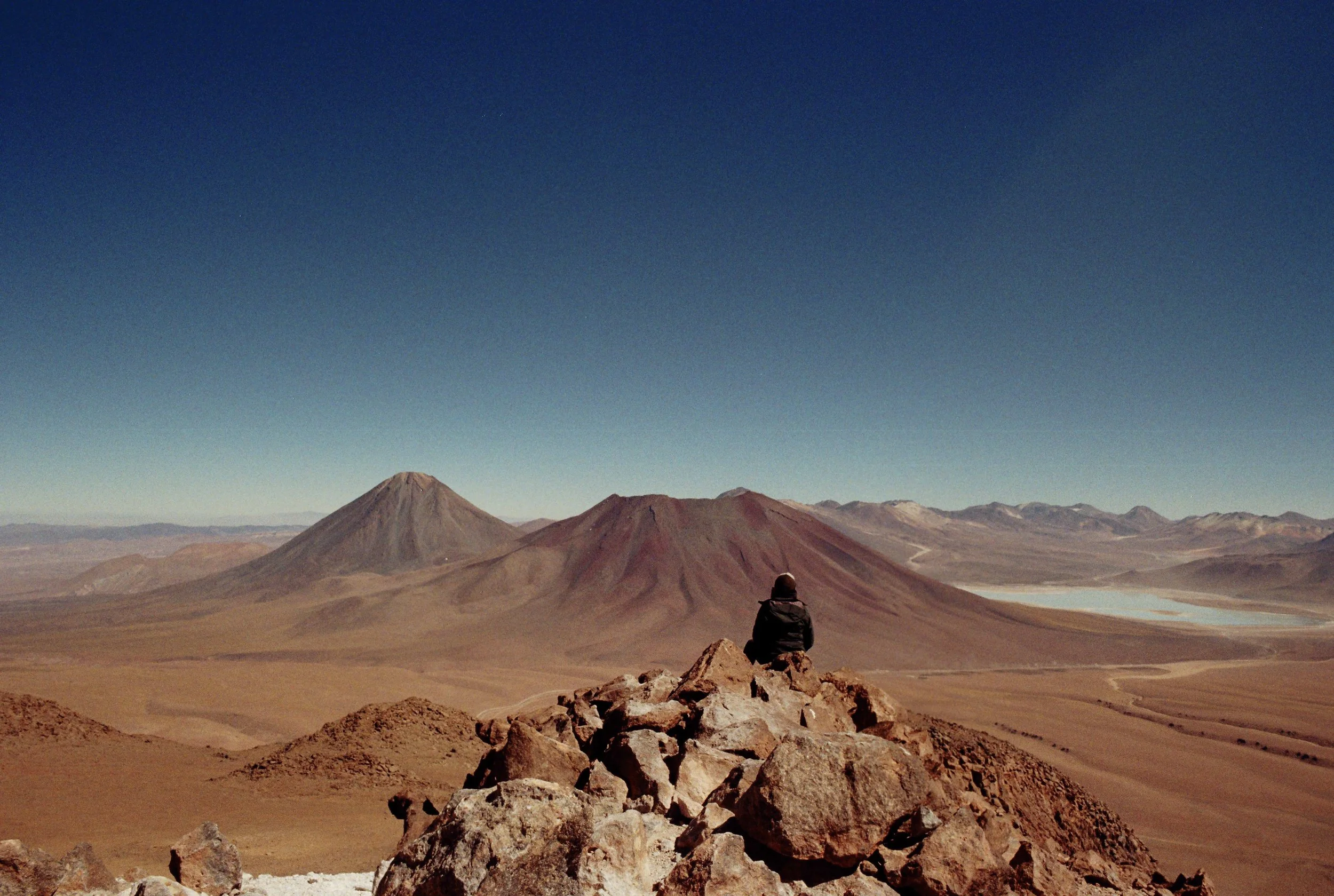
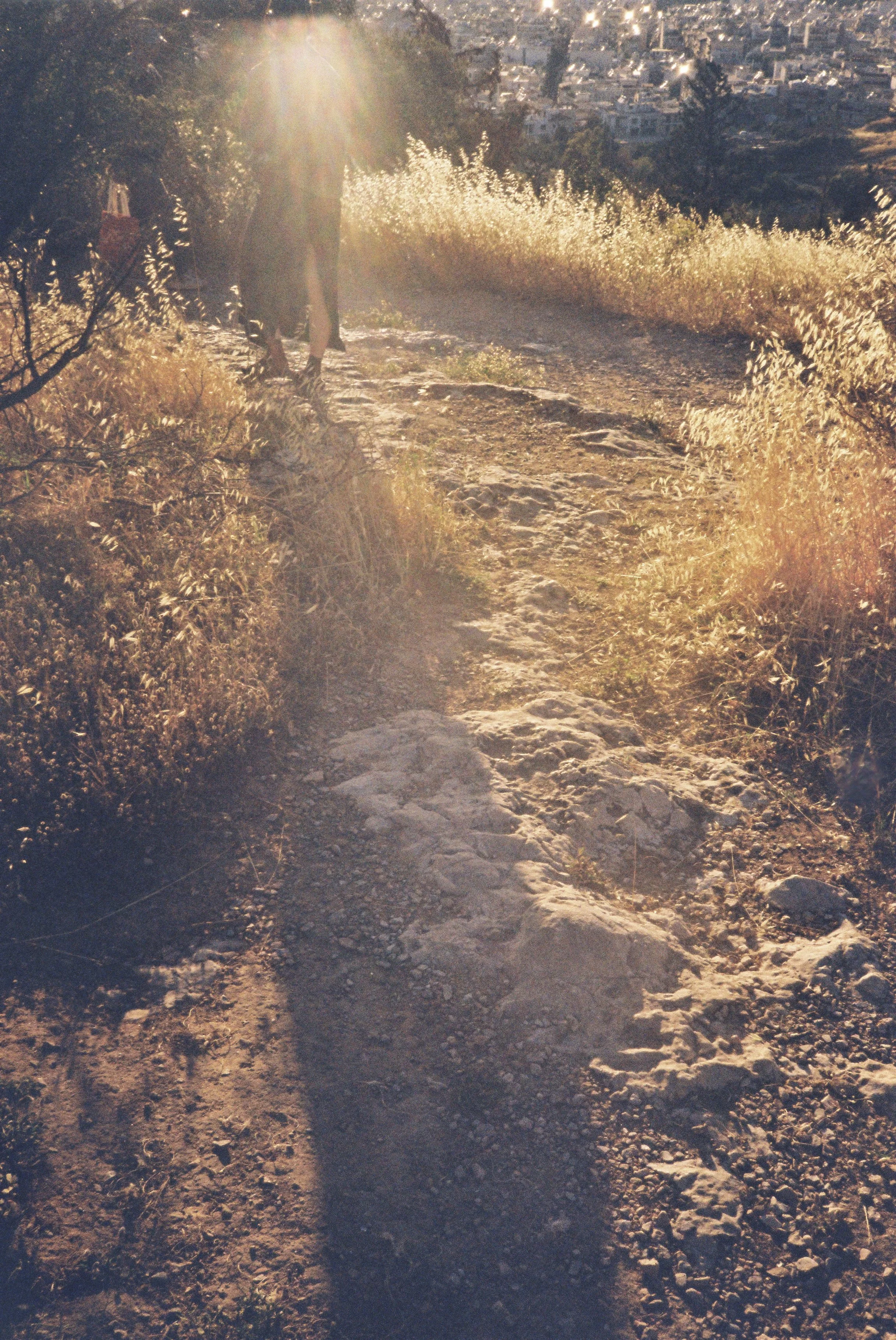
Alongside her film, we are pleased to present a glimpse into Charamandas’ Living Archive, a digital vessel gathering the analogue, communal, and social processes that inform her work while remaining an autonomous and ongoing practice in its own right.
From photographs taken during research trips to fragmentary glimpses into her logbooks, described as her "smallest studio", the archive reveals where the overlaps and tensions that shape her practice first begin to take form. Documenting sensations, conversations, and observations across the day alongside stories and myths tied to specific landscapes, it departs from bodily perception to explore the layered entanglements of climate, geography, history, and the present.
Drawing, writing, filming, photographing, and painting on site can be physically demanding acts that make it harder to dissociate from bodily experience, where the confrontation of topography, weather, and shifting landscapes becomes integral to her understanding of place.
The featured images were taken during a joint research project on lamentation in the Balkan Peninsula, undertaken with Anita Muçolli through Northern and Central Greece (April 2026), and during the artist's research project Volcanes, Mujeres y sus Amistades (2024), conducted across Argentina, Chile, Peru, Mexico, and Colombia.
Access the full archive here.