
PAST: IN EACH AND EVERY TURN OF THE TIDE
Group Show with Dimitra Charamandas • Nada Elkalaawy • Yasmine El Meleegy • Hana El-Sagini • Huda Lutfi
25 November 2025 - 11 February 2026
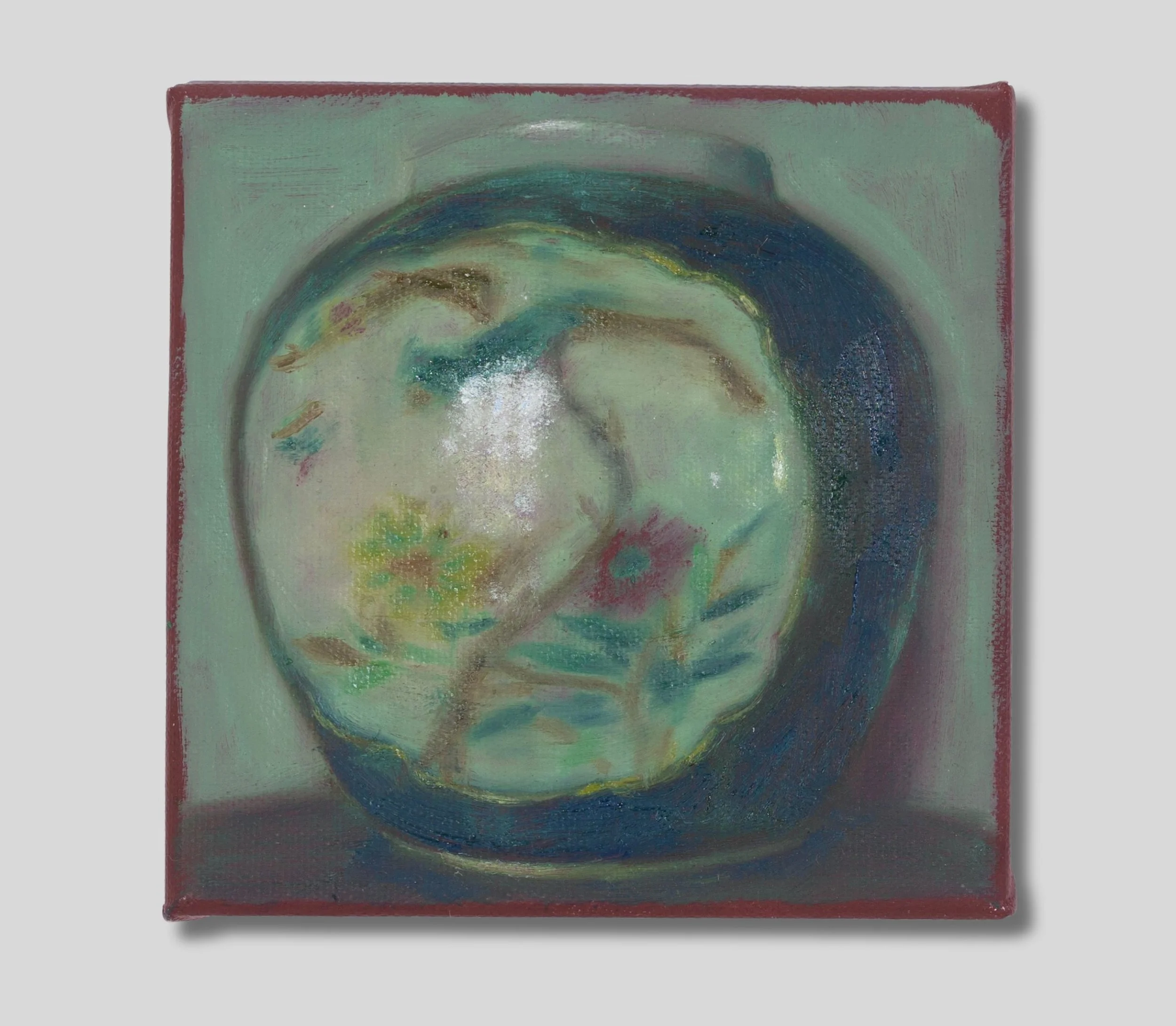
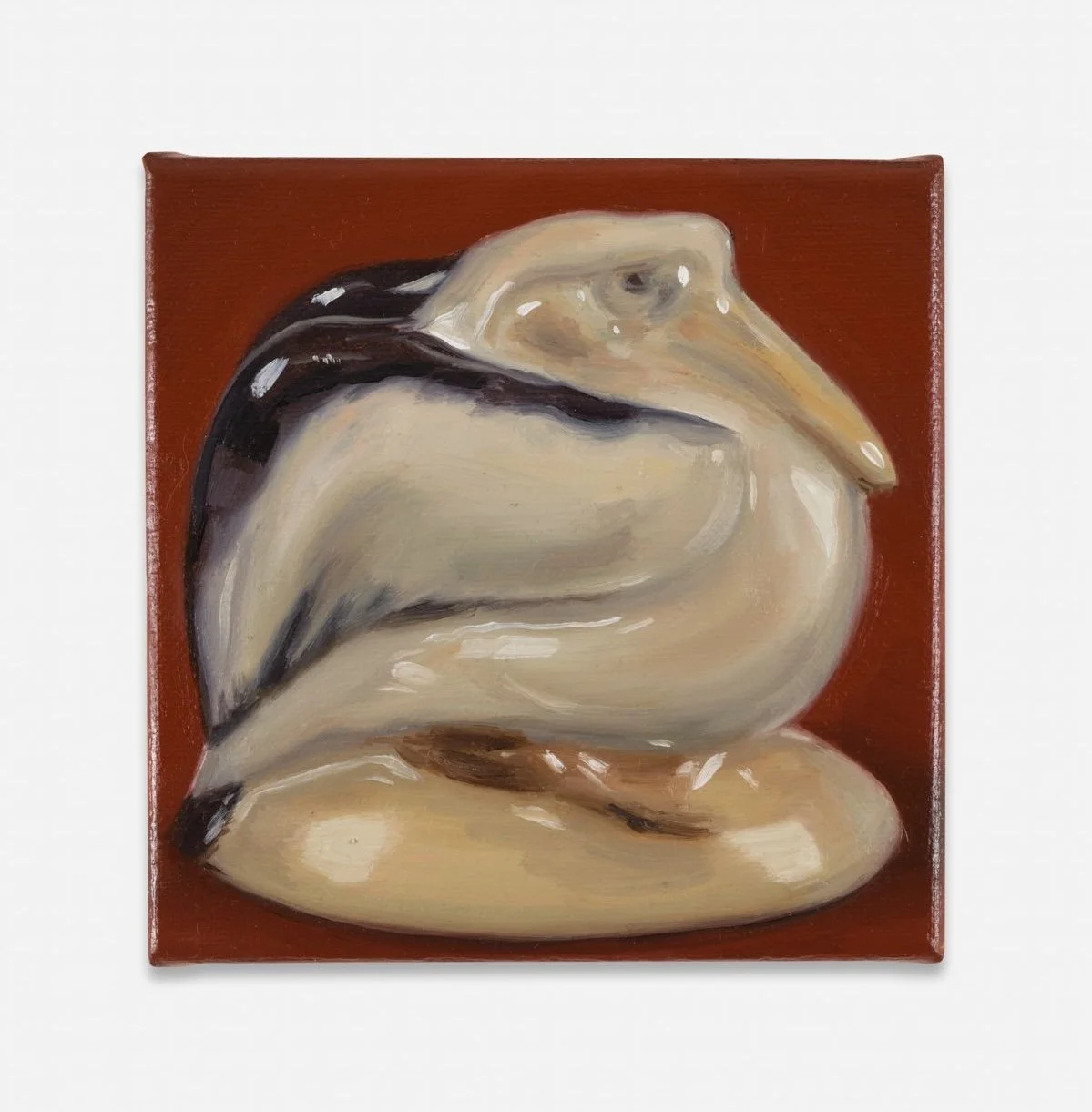
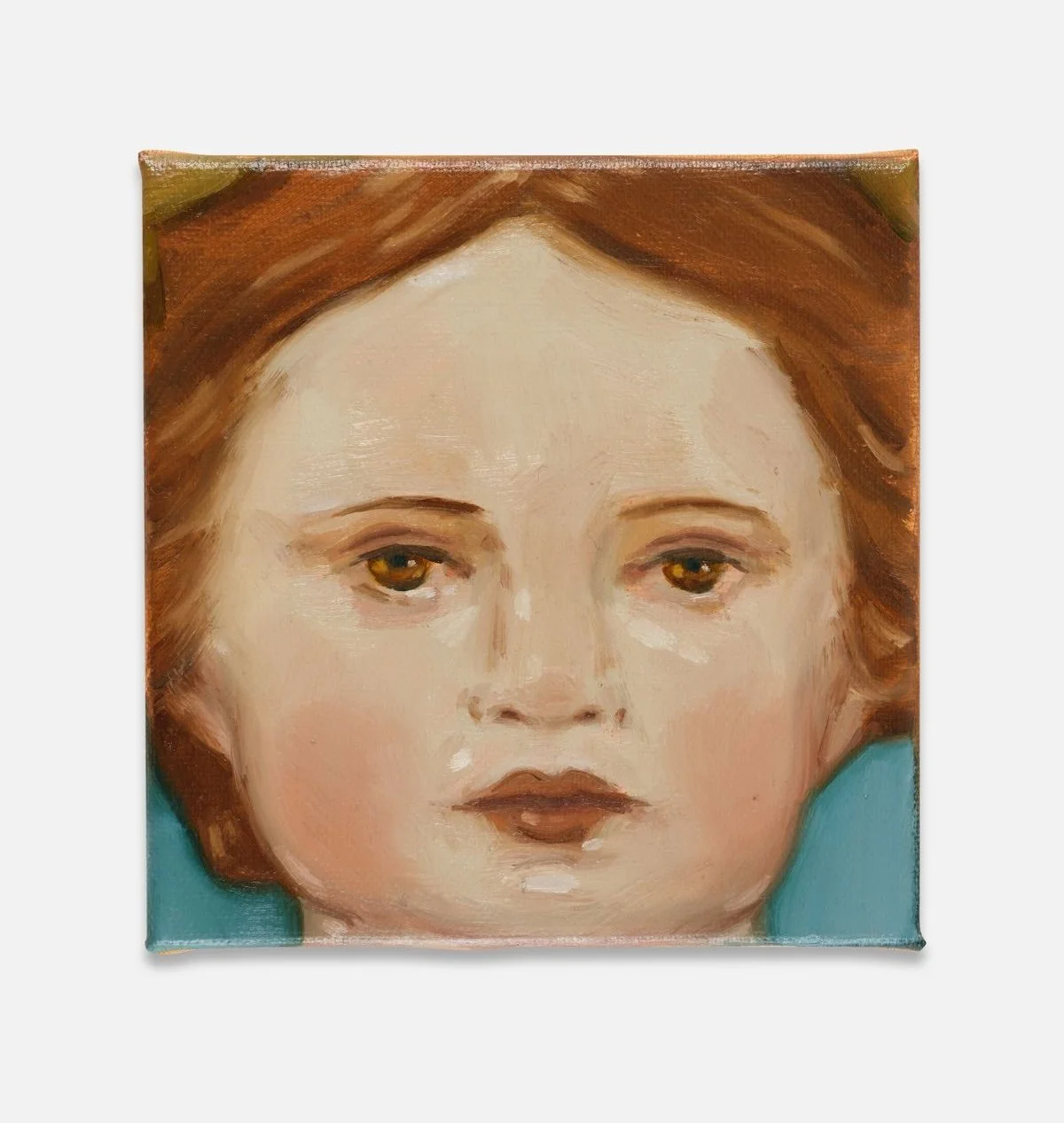
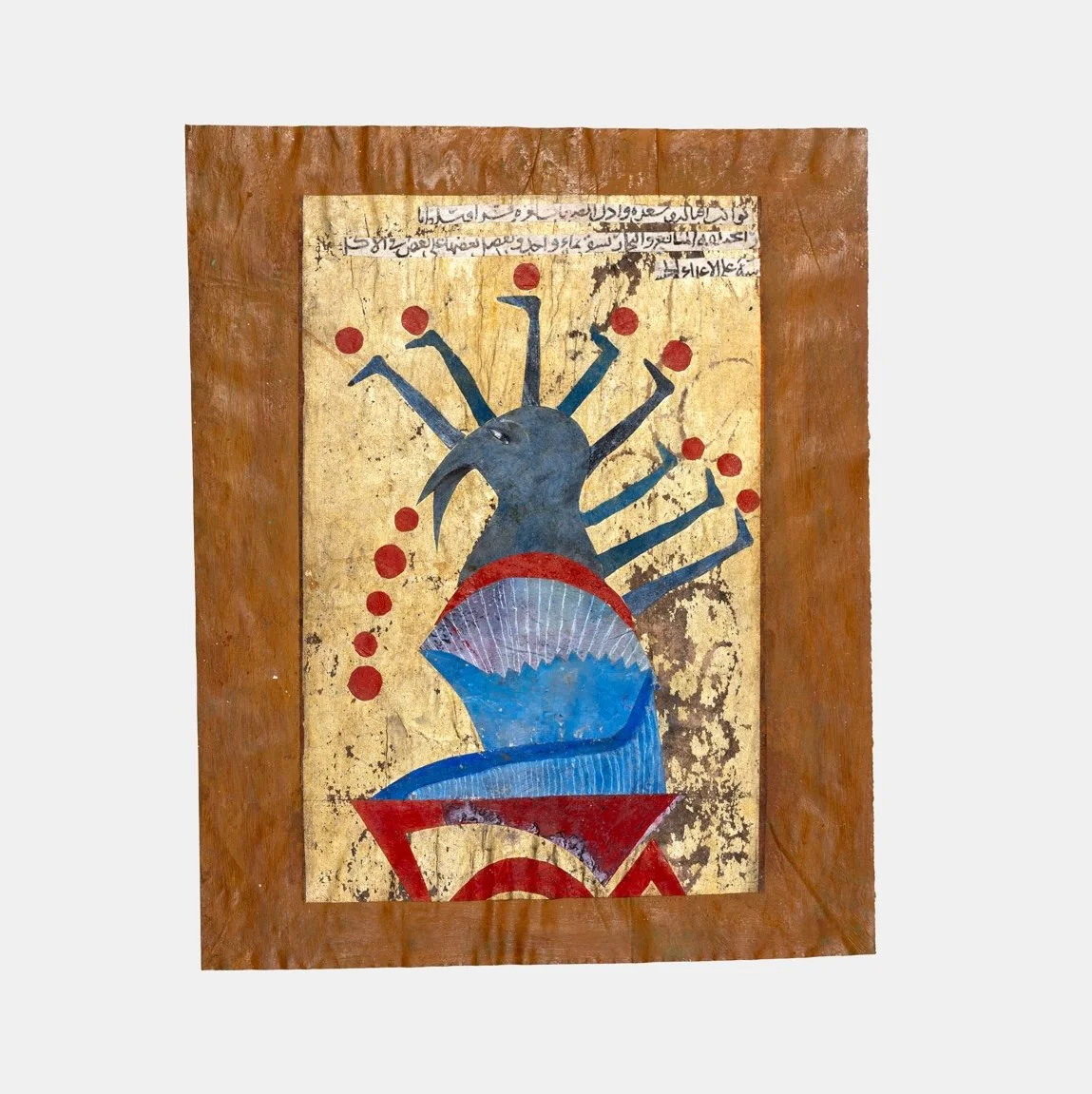
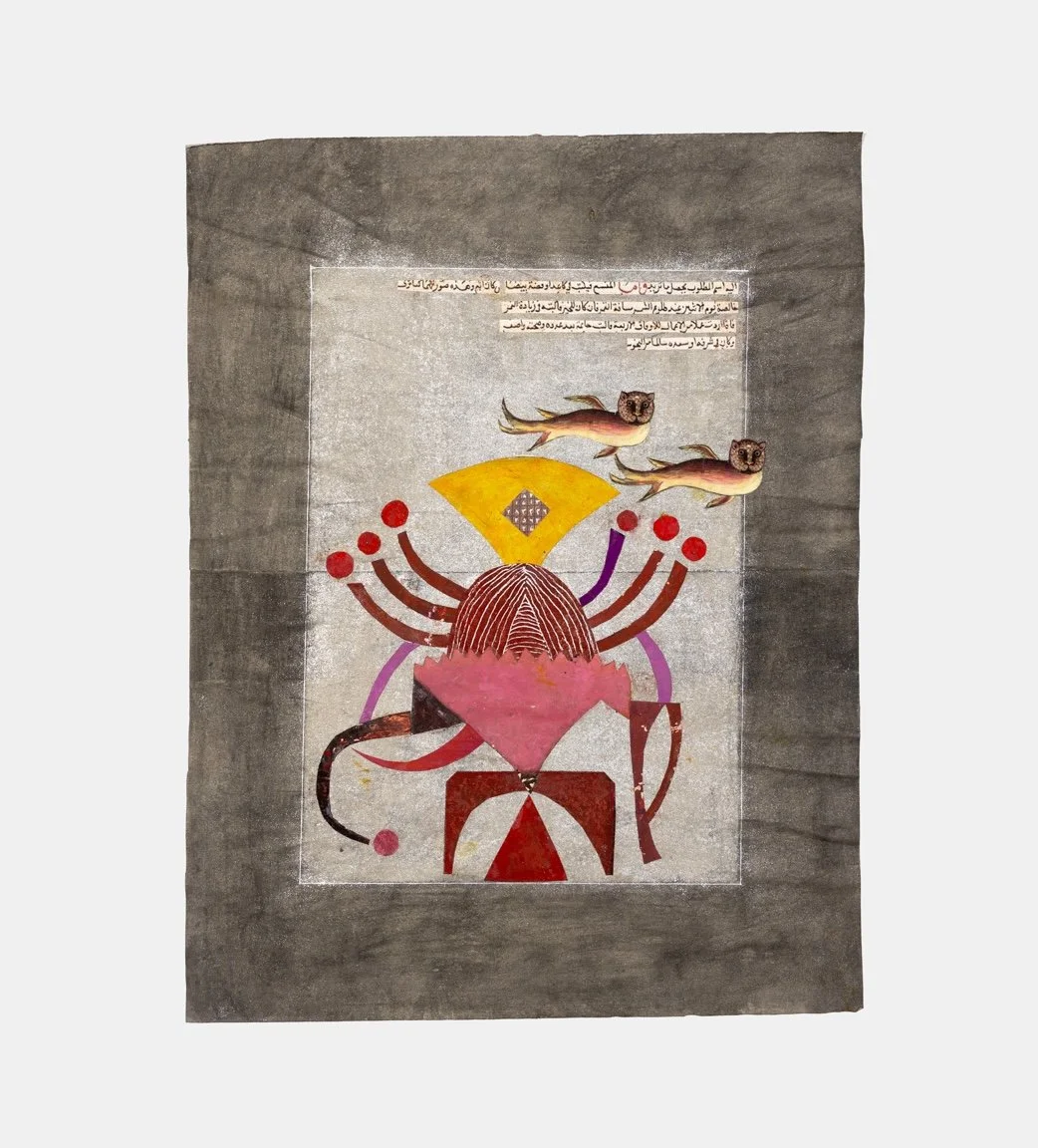
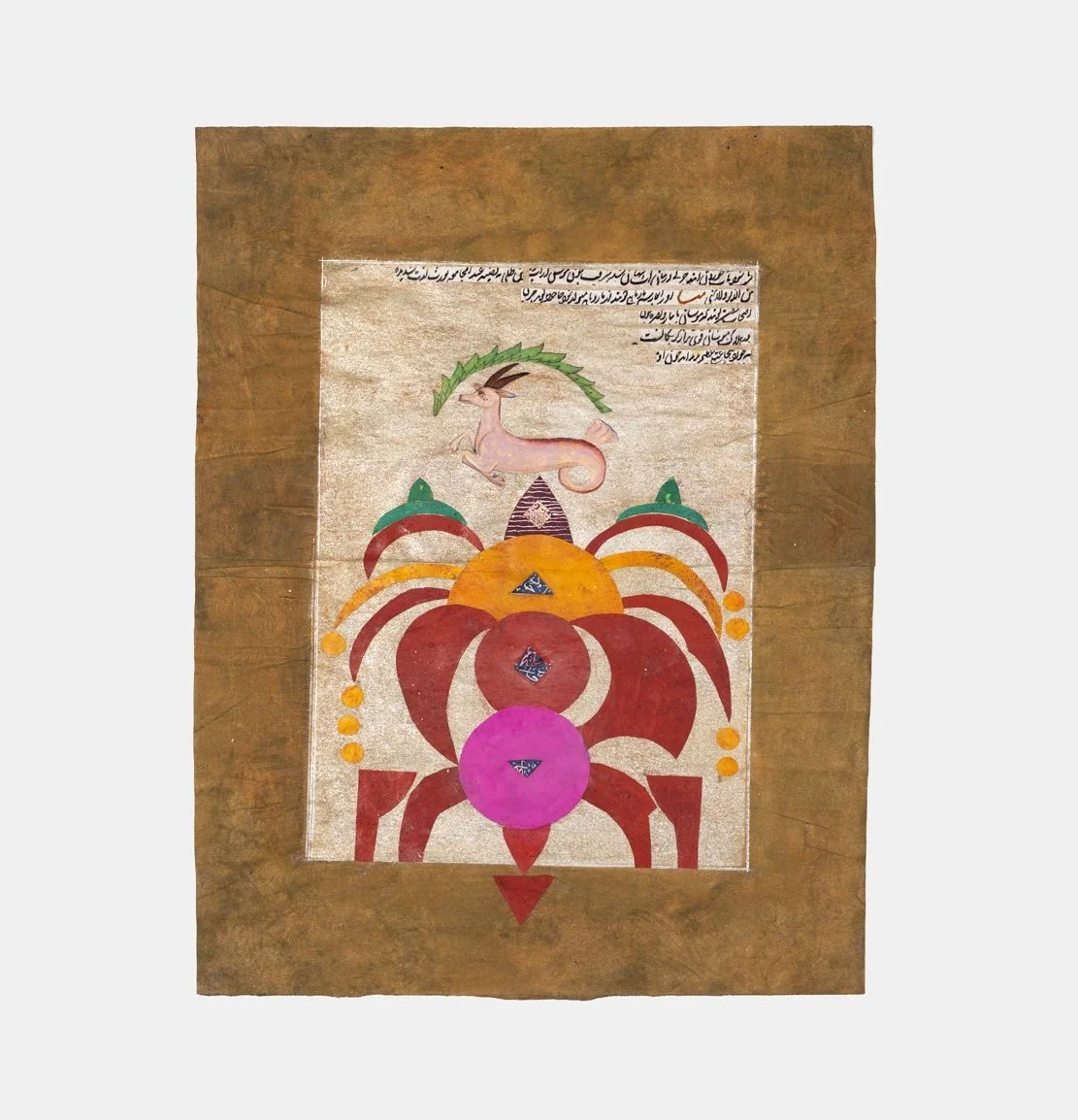
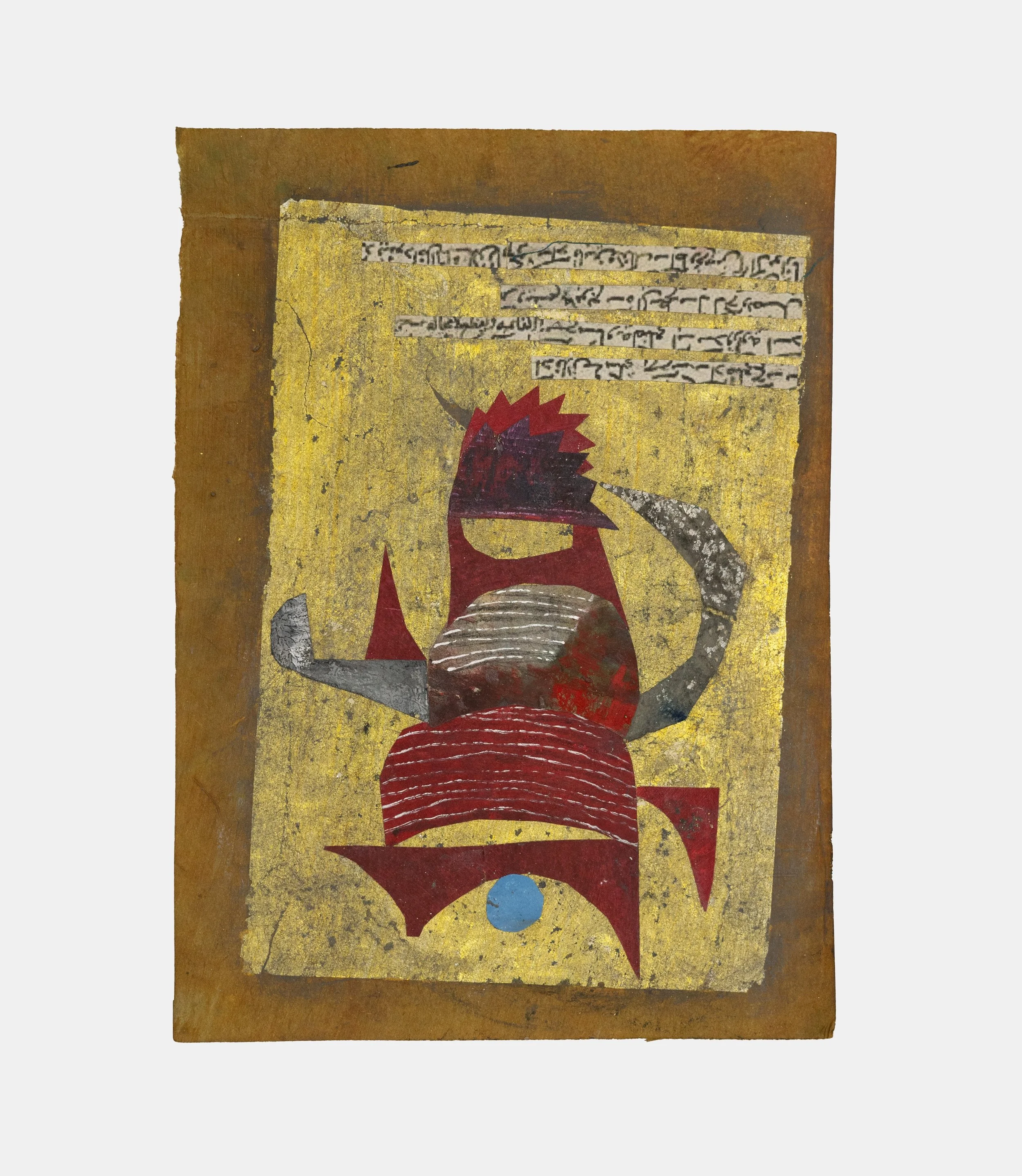
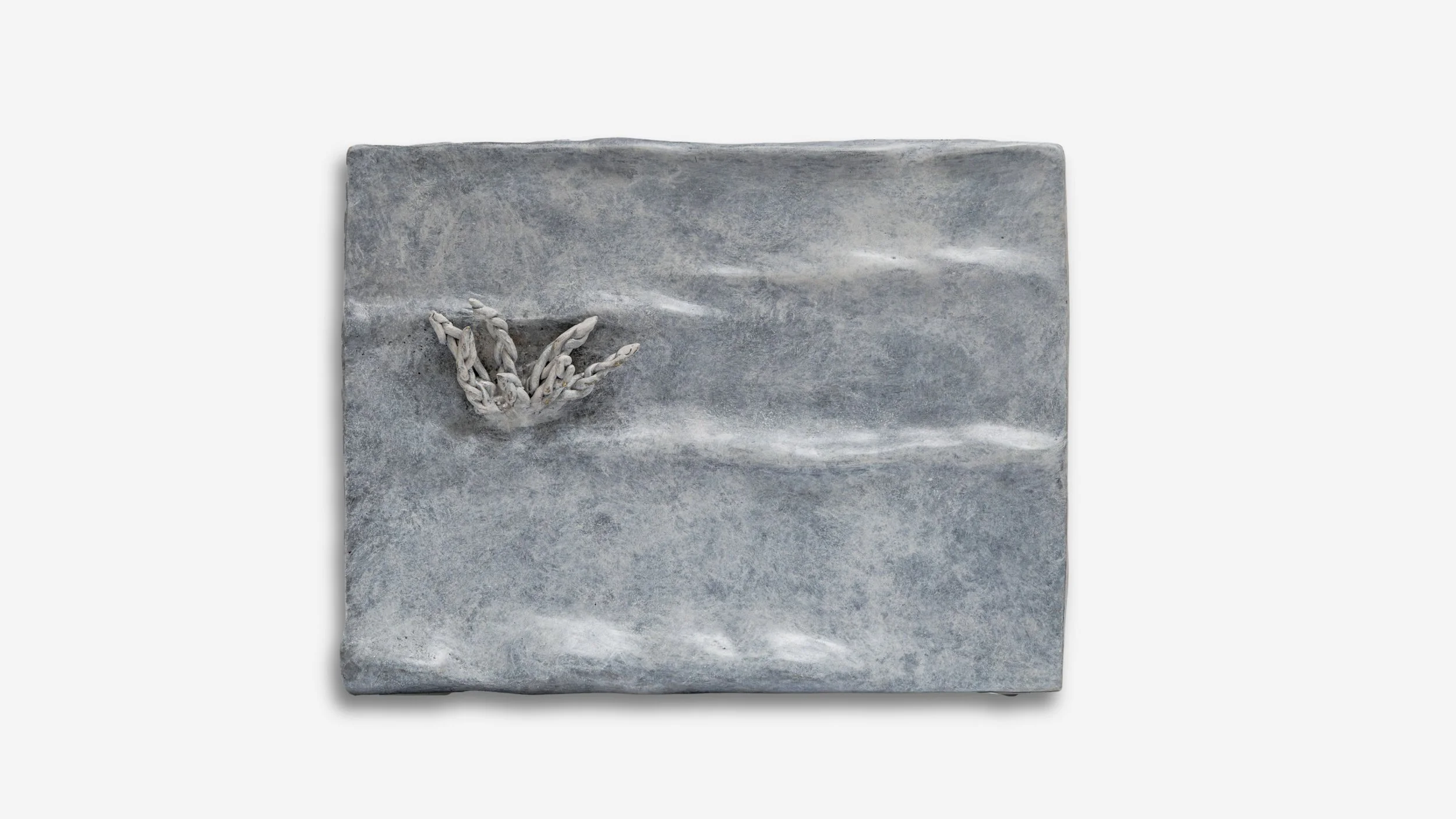
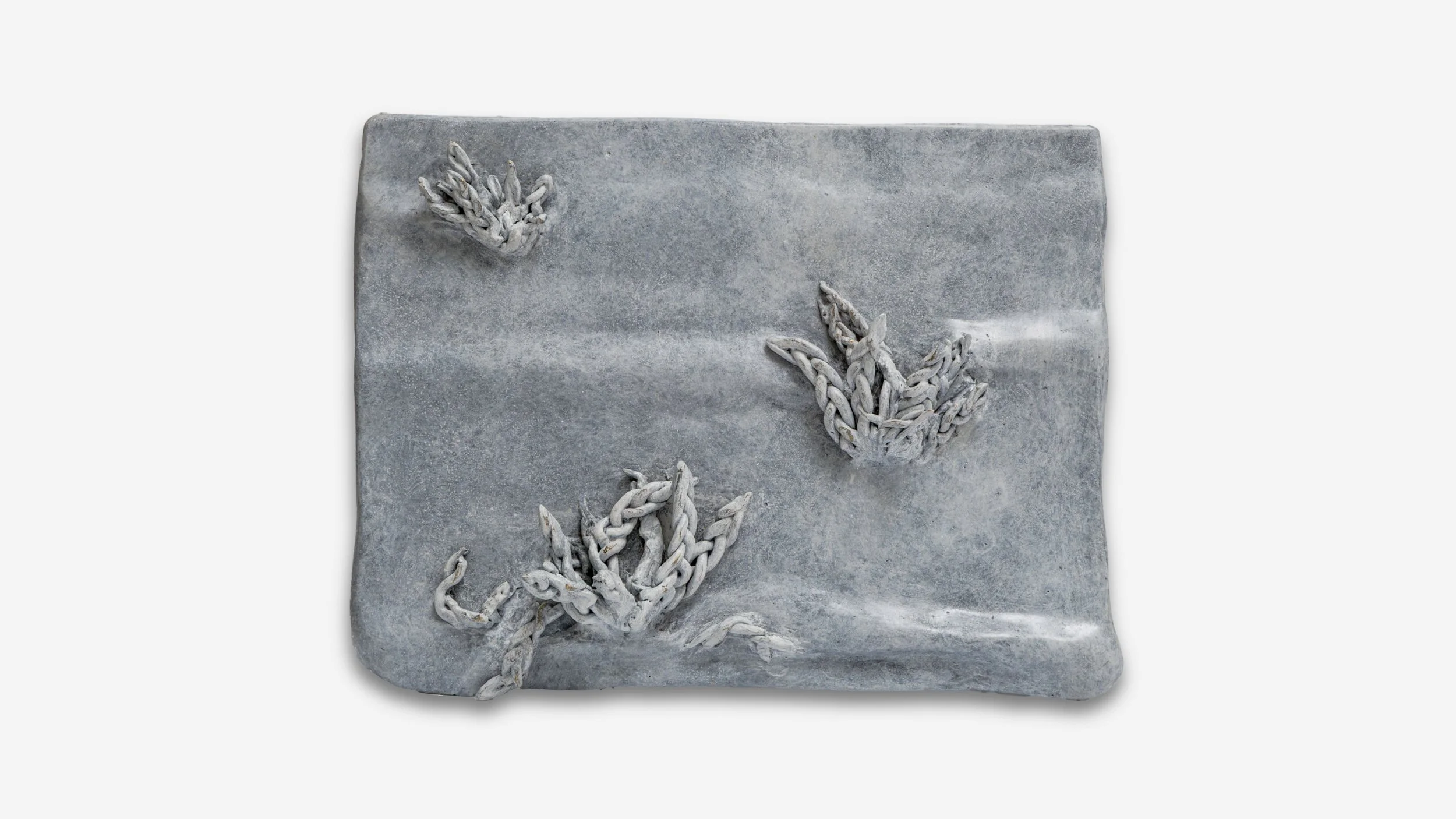
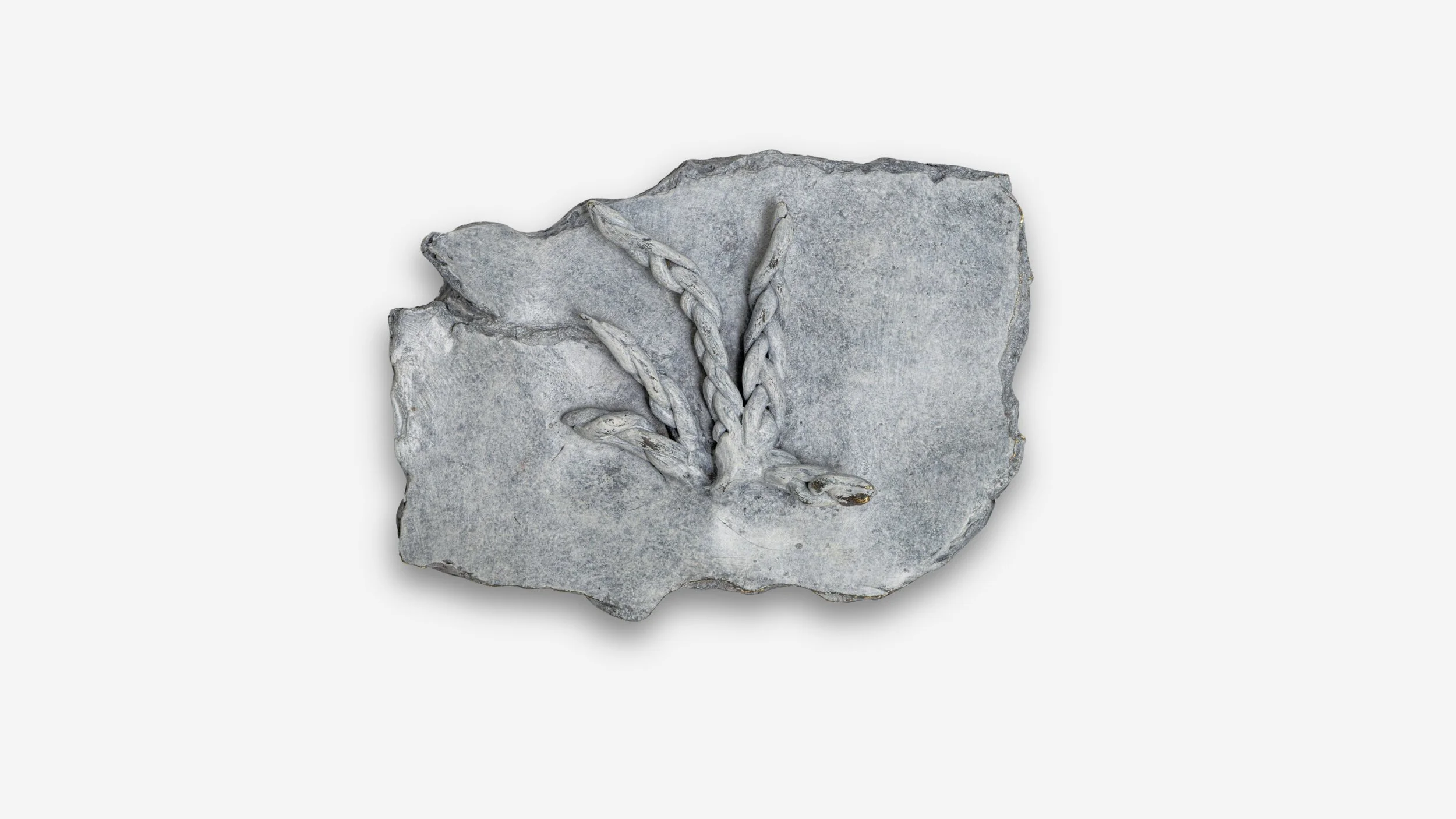
Like a North Star, resting still in the sky and essential for navigation, we continue to revisit objects and spaces that we hold dear. Though they may be idle at times, they remain as guides that ebb and flow: timeless, celestial, and ever present. In Each and Every Turn of the Tide gathers works that orbit this notion of return and repetition, where memory, material, and gesture converge. Across painting, sculpture, collage, and mosaic, each artist traces a path toward repair—whether through the mending of bodies and landscapes, the tending to spirituality, or holding onto keepsakes.
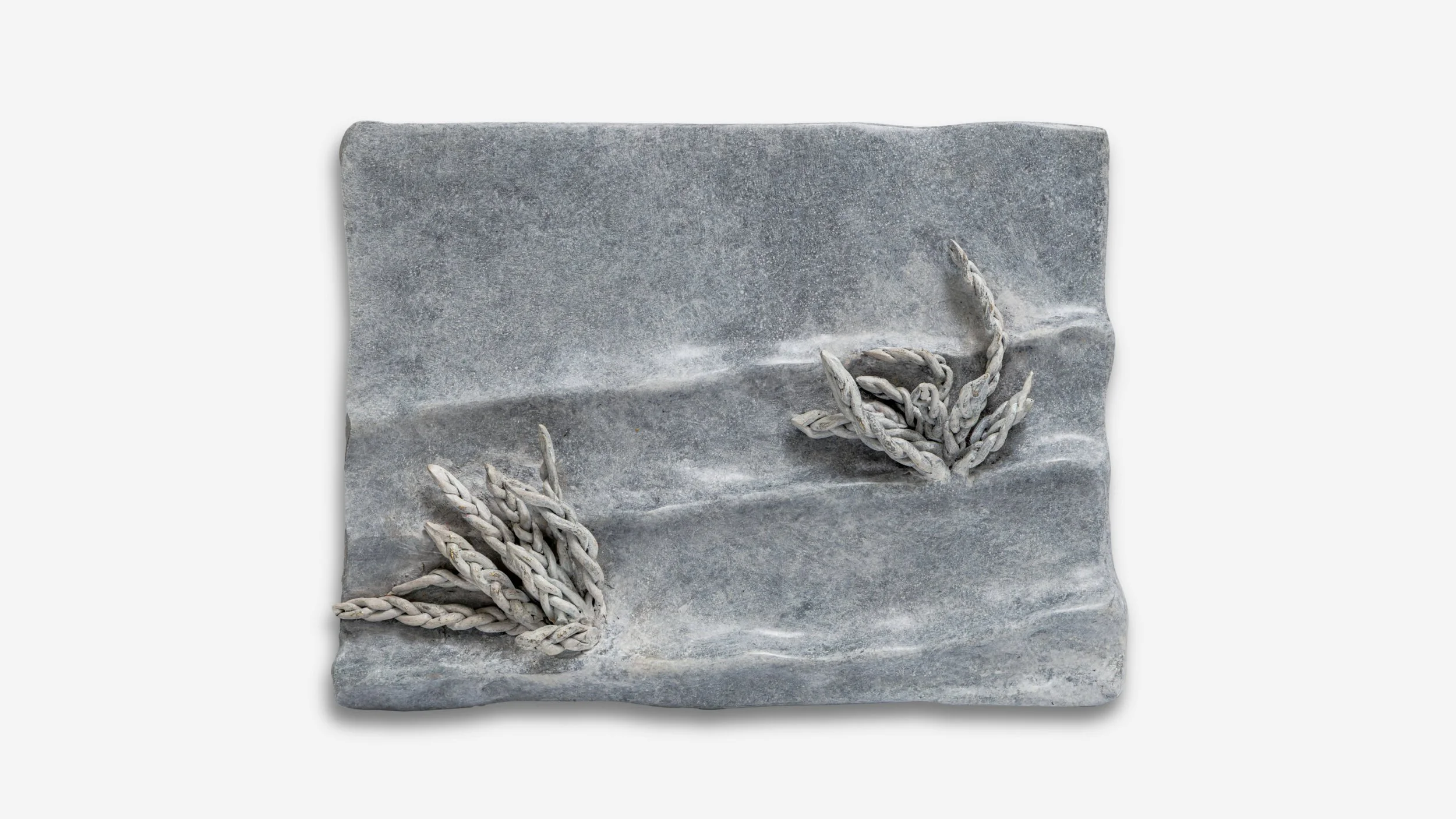
Hana El-Sagini and Dimitra Charamandas consider the intertwined systems of nature and the self. For El-Sagini, braids and braiding are an act of care, a means of ordering, keeping, and connecting as well as a communal ritual. During her cancer treatment in 2022, the braid acquired new resonance, as hair loss marked both vulnerability and renewal. Her panel reliefs depict invasive braided plants that thrive in unlikely environments—deserts, industrial sites—where the braided protrusions extend beyond their frames. Rather than positioning the braid as a marker of loss, she turns it into a symbol of strength and resilience, where the process of bronze casting solidifies what might otherwise unravel.
Charamandas’ practice is rooted in embodied research and the interconnectivity between body and terrain. In this series of landscape paintings, she examines how minerals in bodies of water—magnesium, calcium, and iron—are as vital to the shaping of landscapes, as to the formation of neural pathways across the body’s internal systems. In Mina (Mine), an aerial view of a Chilean copper mine, a disorienting perspective draws the viewer deep into the earth’s extraction. As copper is an essential mineral for the body, Chamarandas reflects on how readily we deplete from the earth the very elements that sustain us.
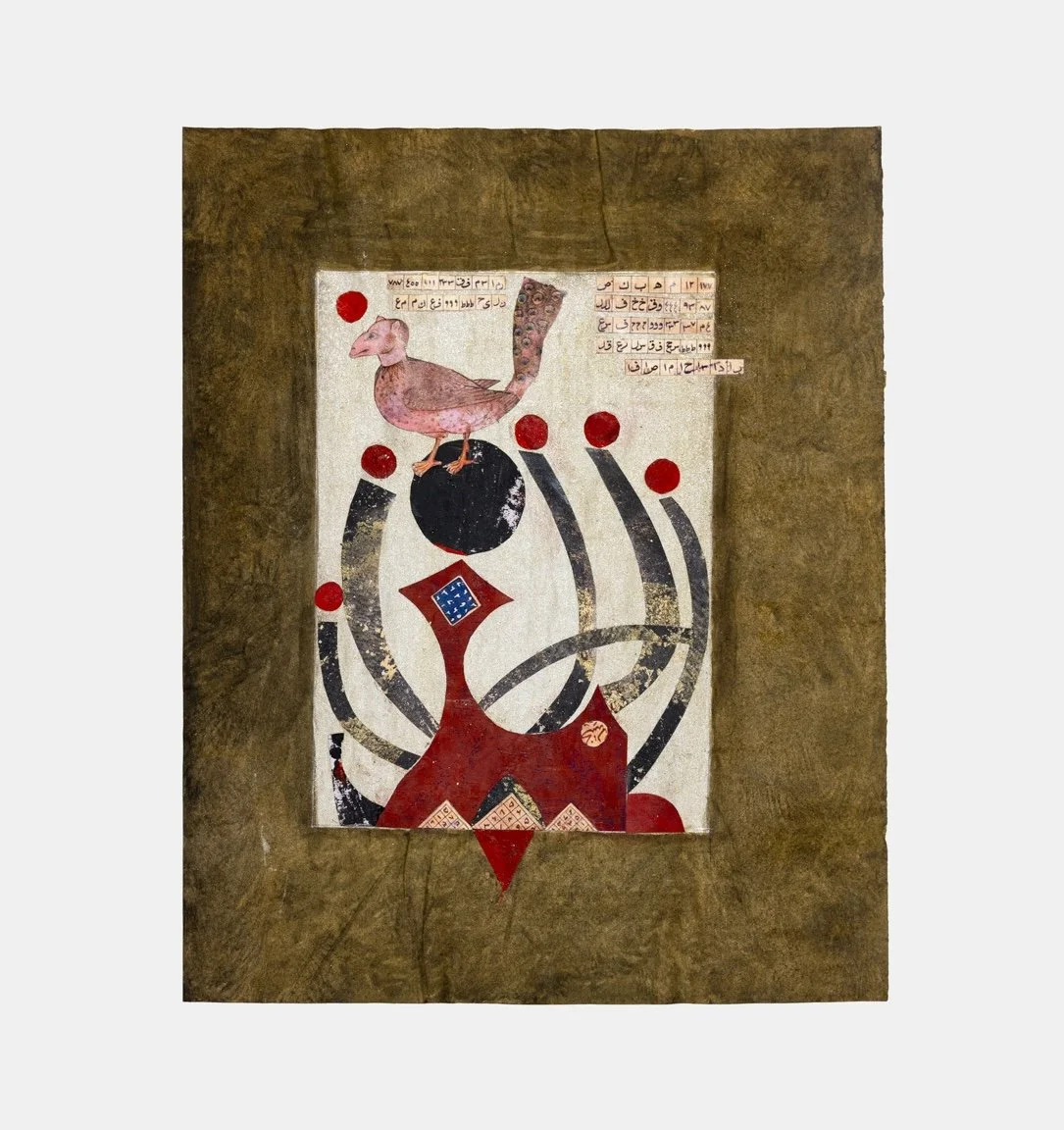
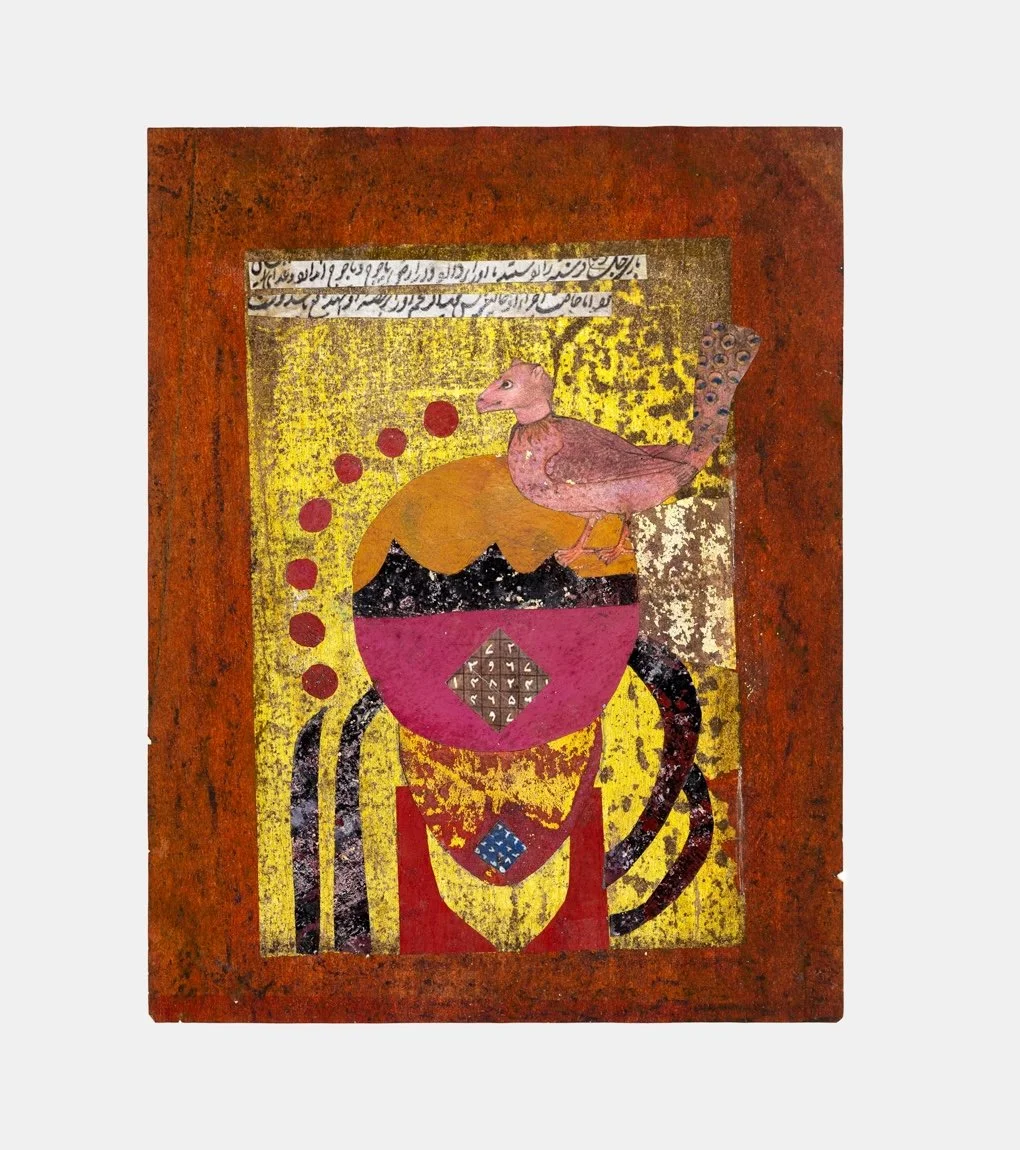
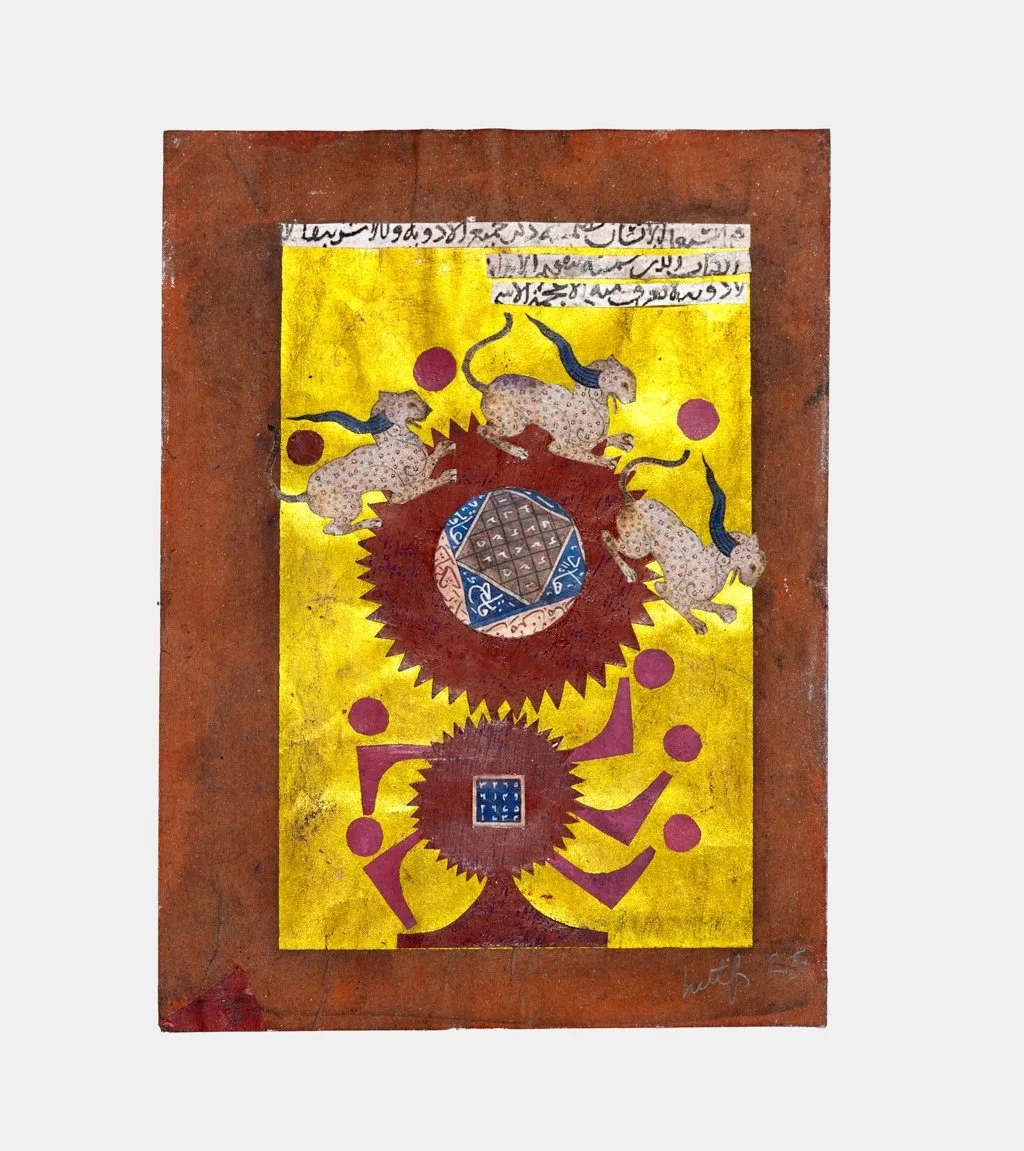
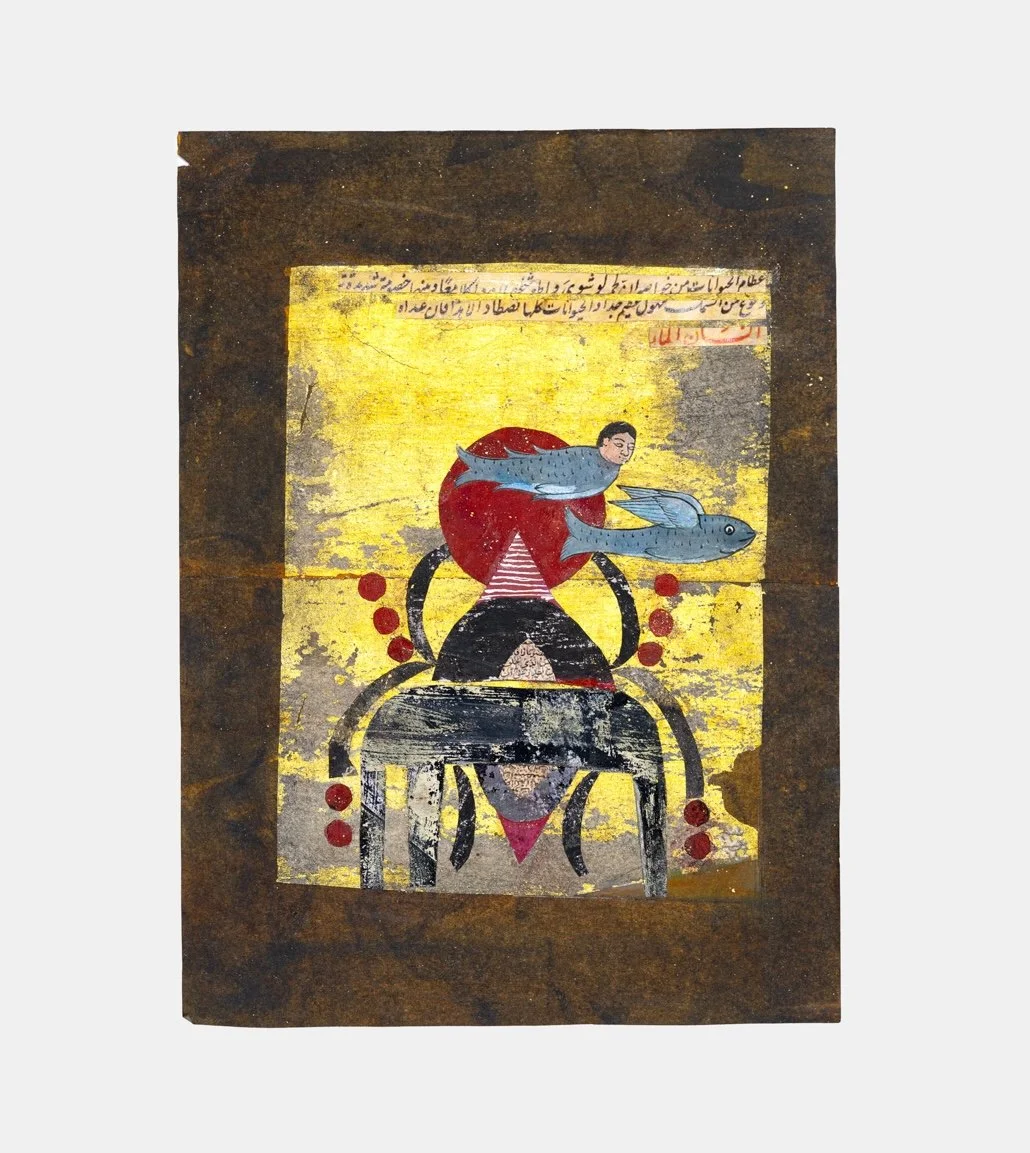
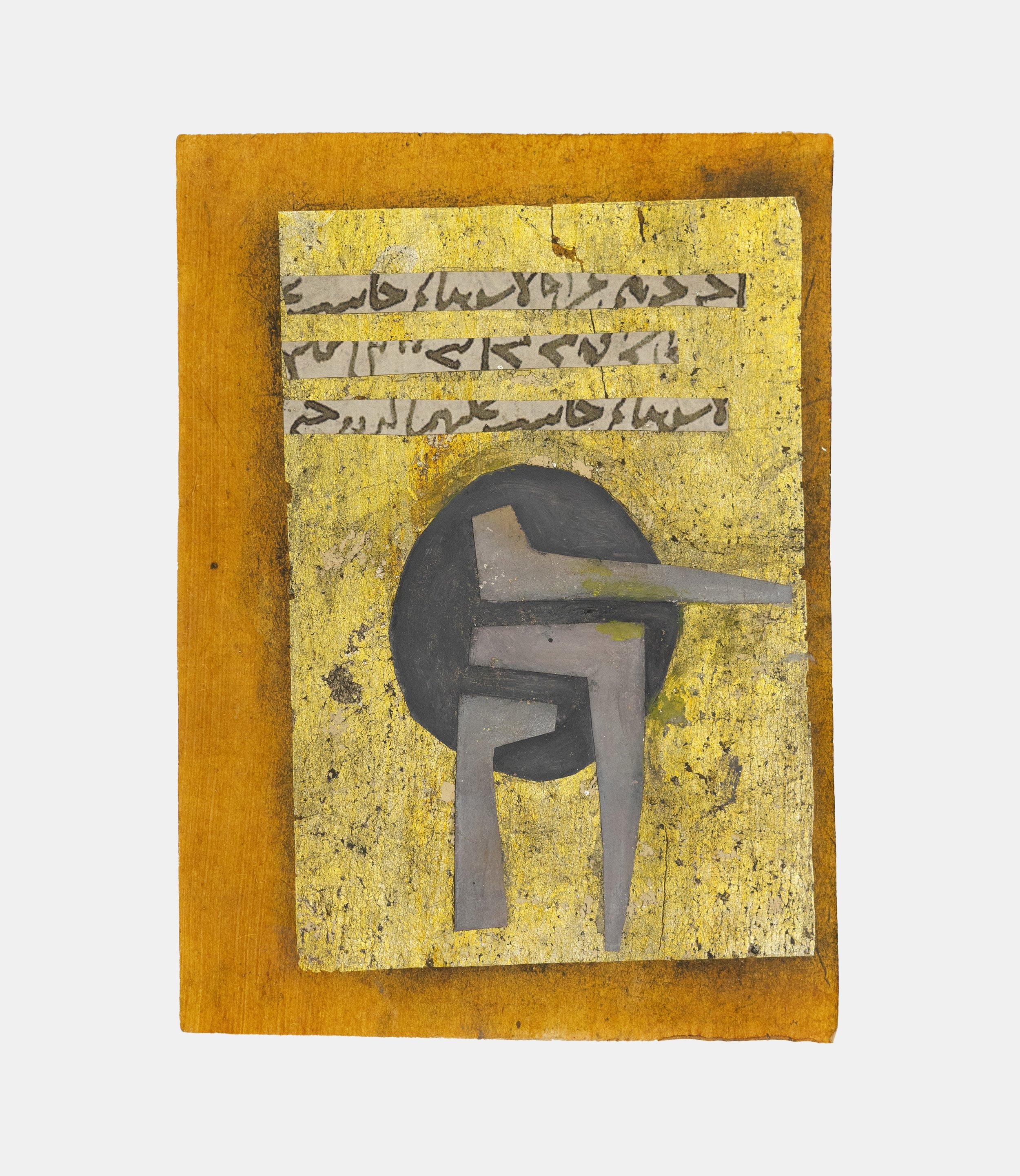
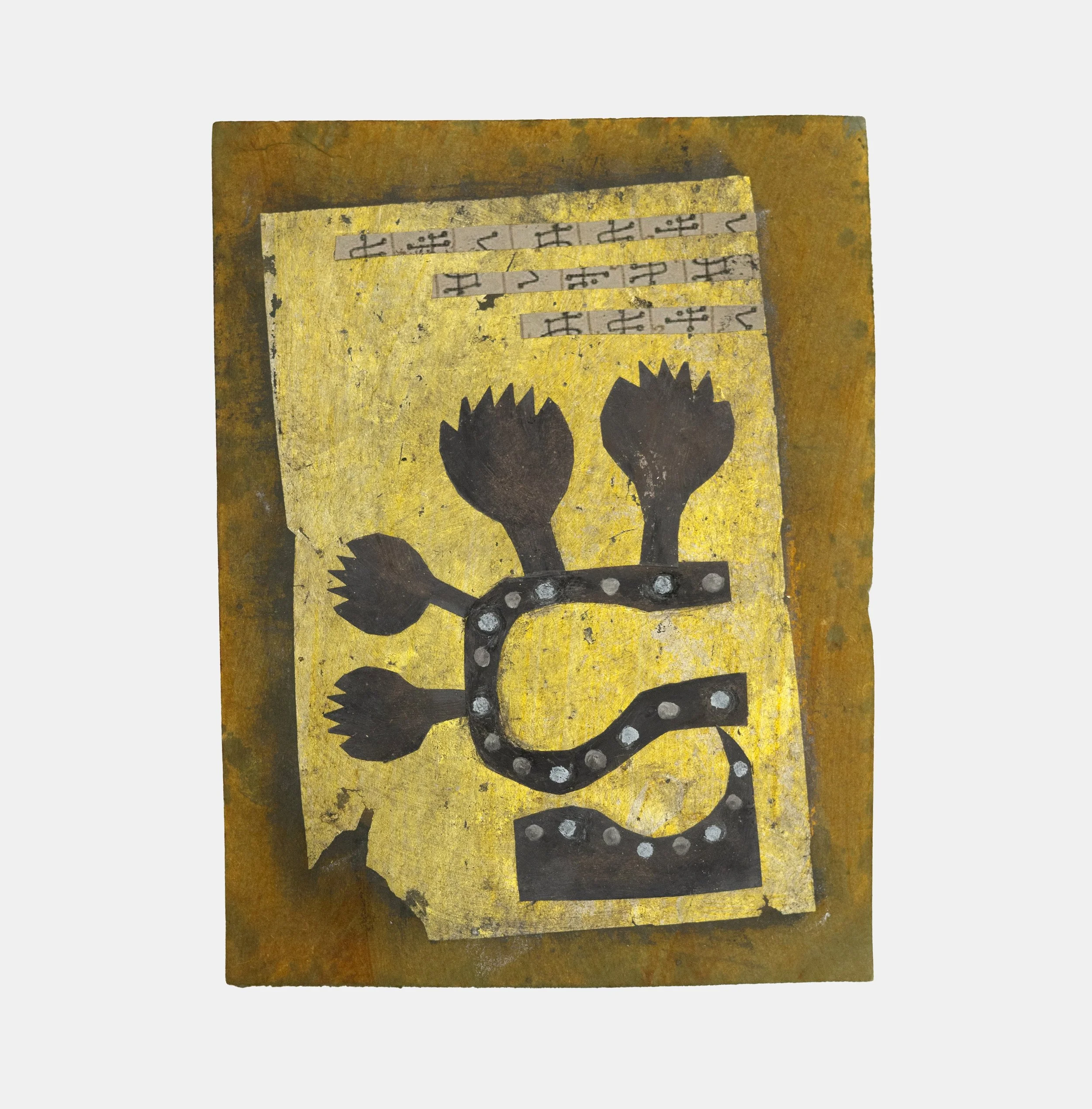
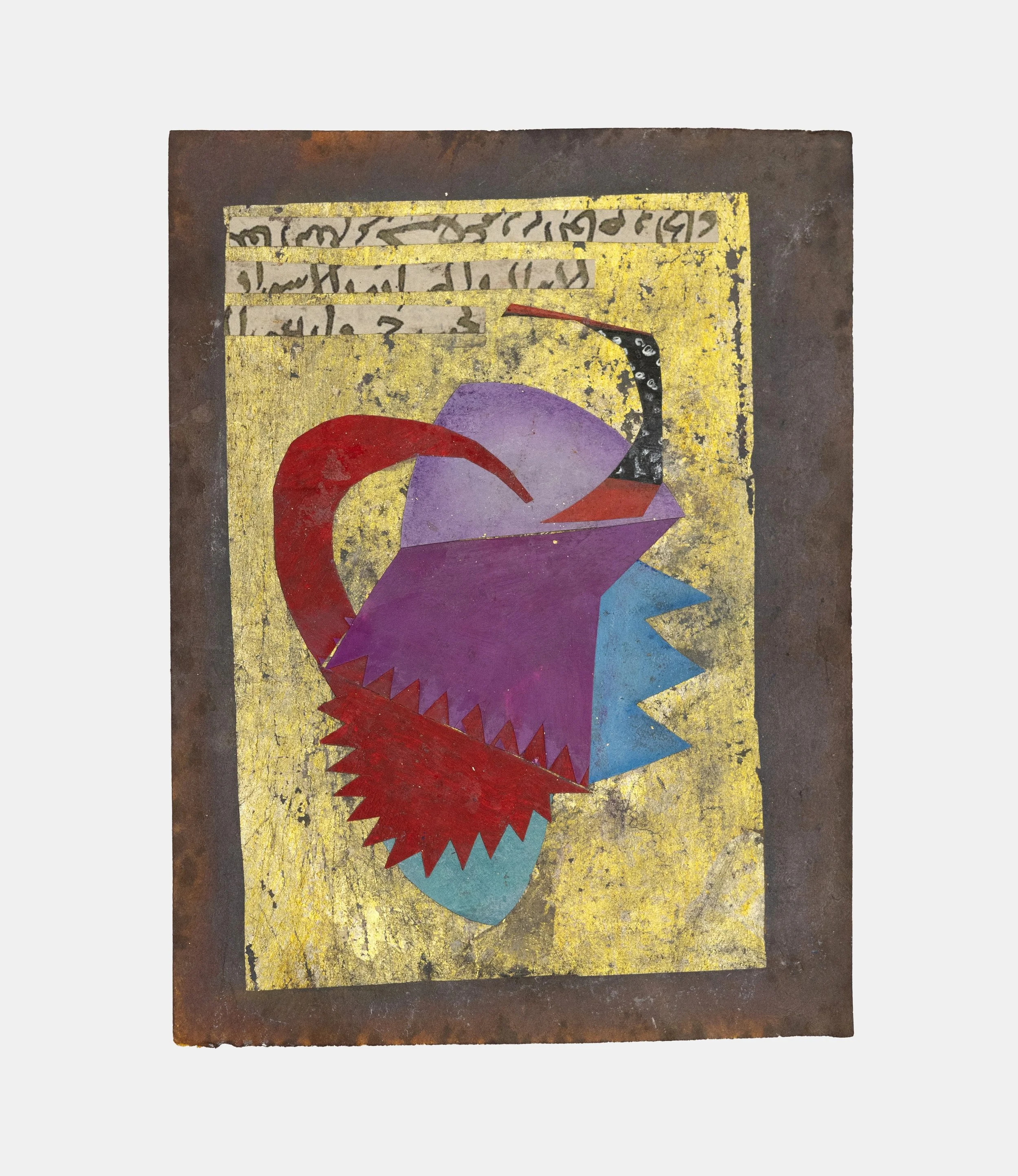
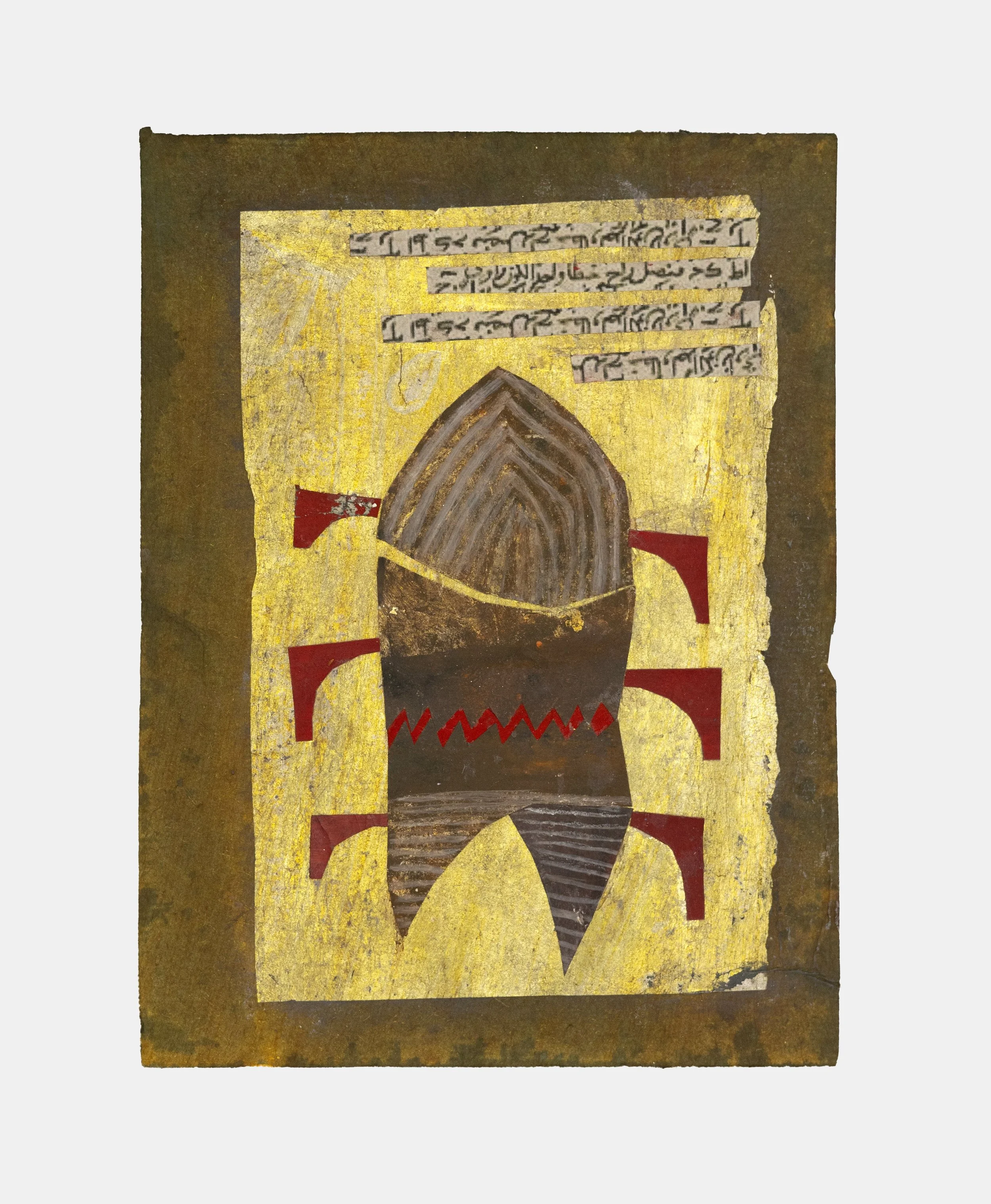
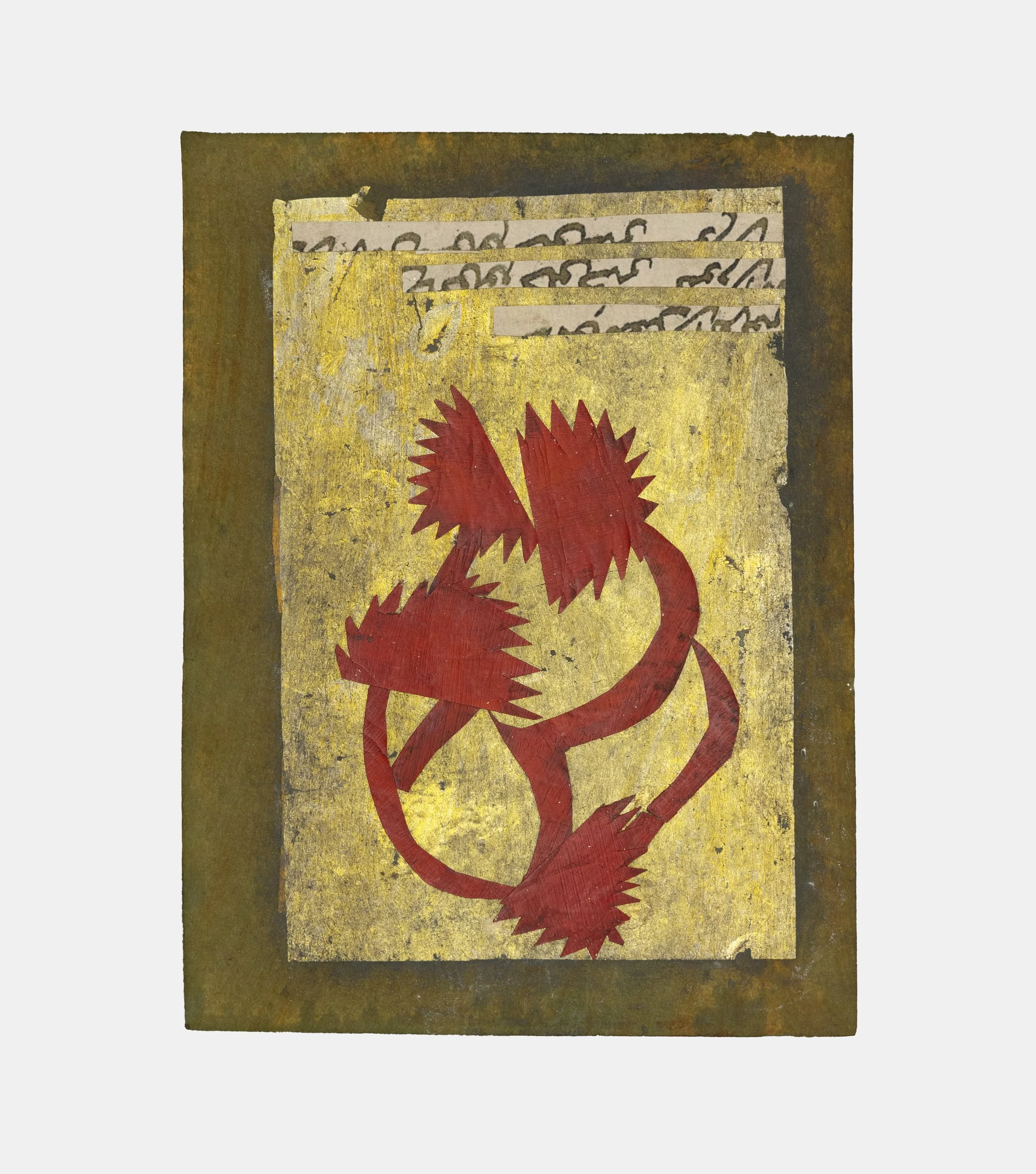
Engaging with unvisited historical memory, Huda Lutfi and Yasmine El Meleegy explore forms of restoration that traverse time and geography. Lutfi’s first iteration of Healing Devices departed from The Knowledge of Ingenious Mechanical Devices, a 12th-century Islamic manuscript by engineer Ismail al-Jazari. Reimagining his self-operating tools, valves, and fountains, Lutfi transformed them into speculative instruments for inner repair. Her newest iteration revisits the 13th-century manuscript, The Wonders of Creation, where the cosmographer Zakariyya al-Qazwini sculpts a fantastical world of celestial and earthly imagery, highlighting the interconnectedness of all living things. By appropriating these hybrid creatures, Lutfi seeks spiritual knowledge capable of illuminating the present. Working on gold-leaf handmade paper used for ritual purposes, her intricate, sculptural collages become meditative acts of renewal that illustrate the relationship with nature and divinity.
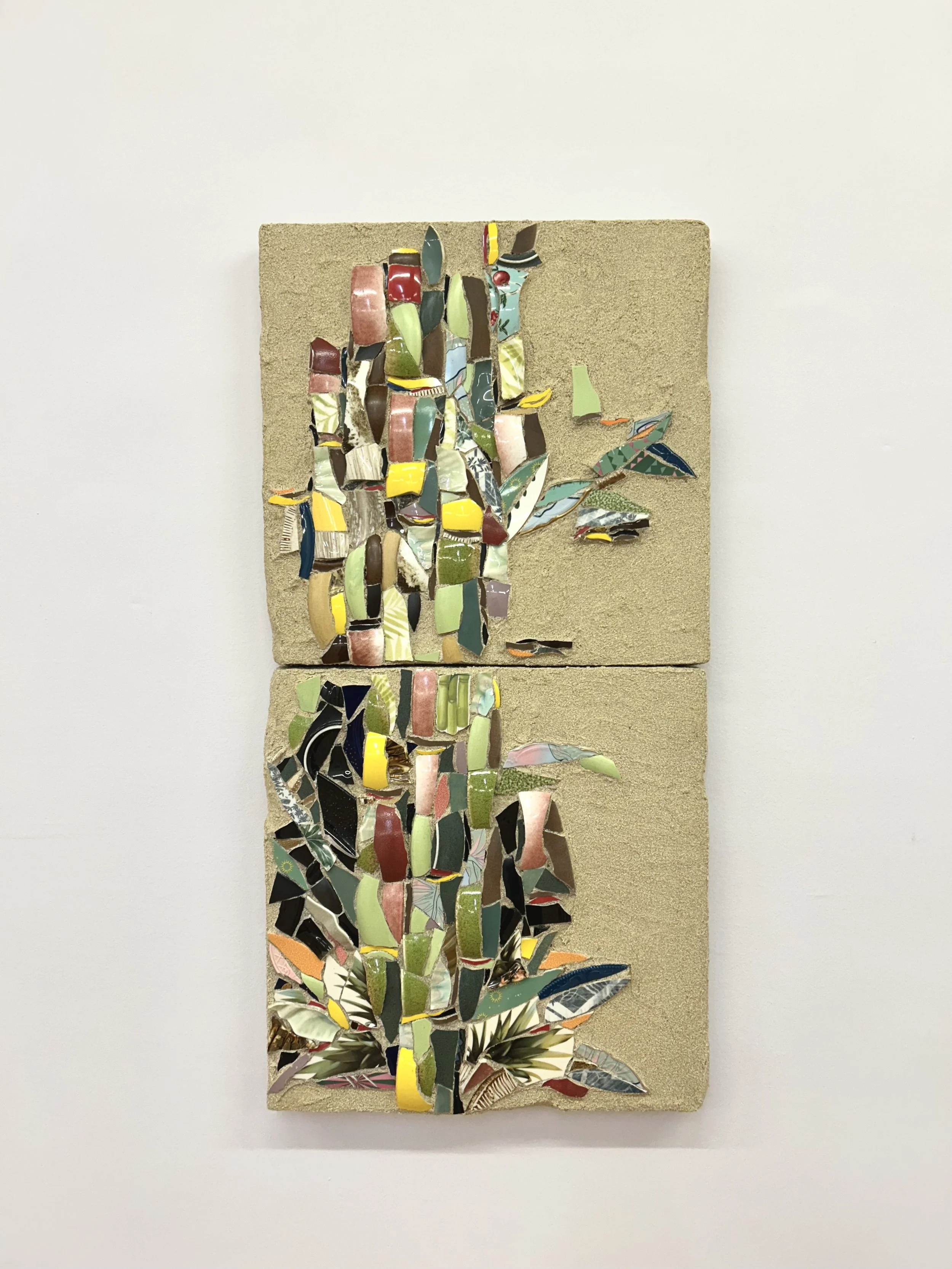
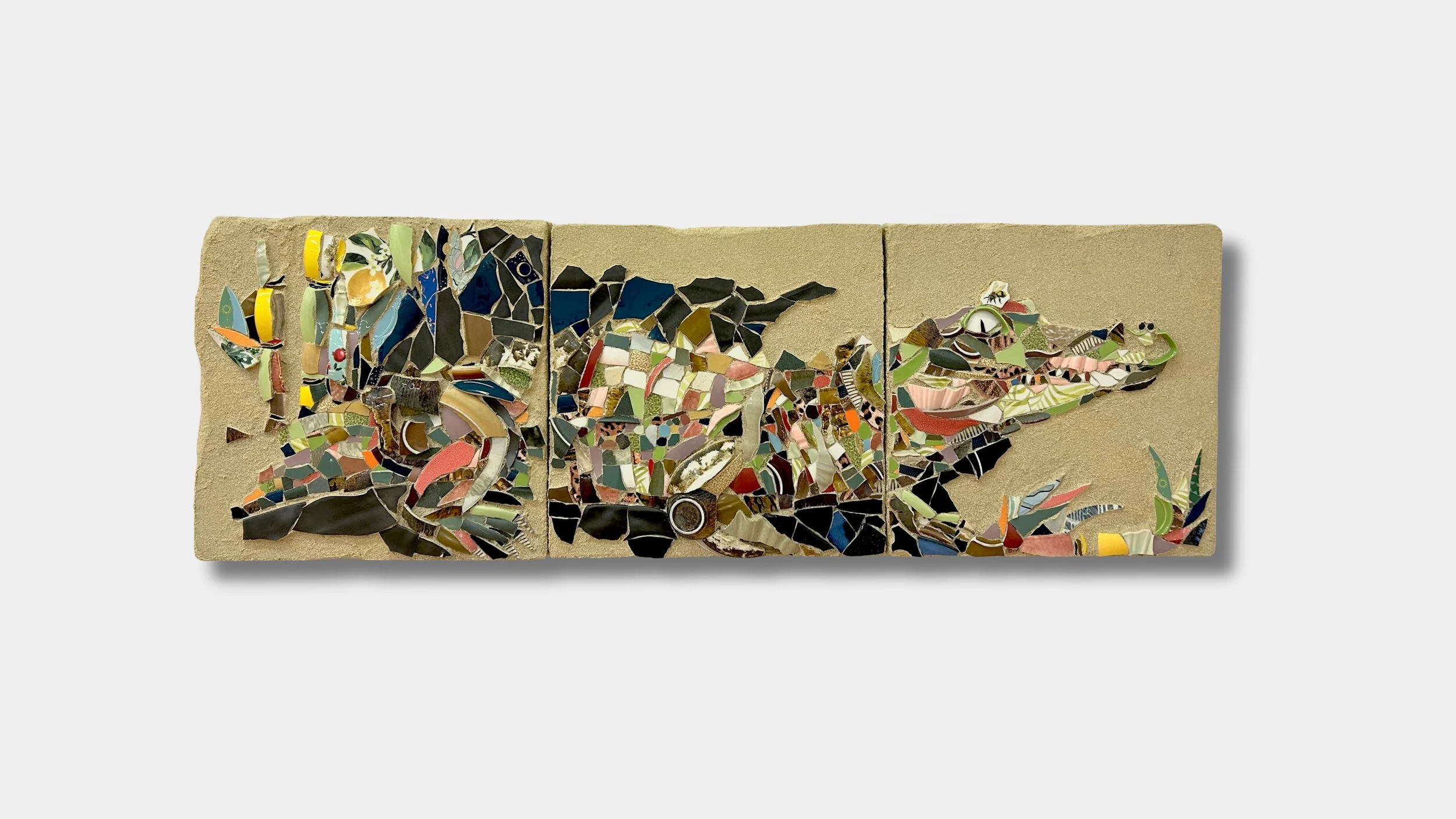
El Meleegy’s mosaic sculptural wall reliefs draw from the artist’s research on histories of agriculture, particularly Egyptian horticultural and wellness traditions. Her interest in motifs such as sugar cane and the crocodile—symbols of health and longevity—emerged following her late mother’s illness and her experience of caring for her. These images are constructed from shattered porcelain dinnerware that stem from her mother’s collection. The act of destruction works as a form of restoration, a meditation on the impulse to fix and mend, even as it acknowledges the certainty of loss.
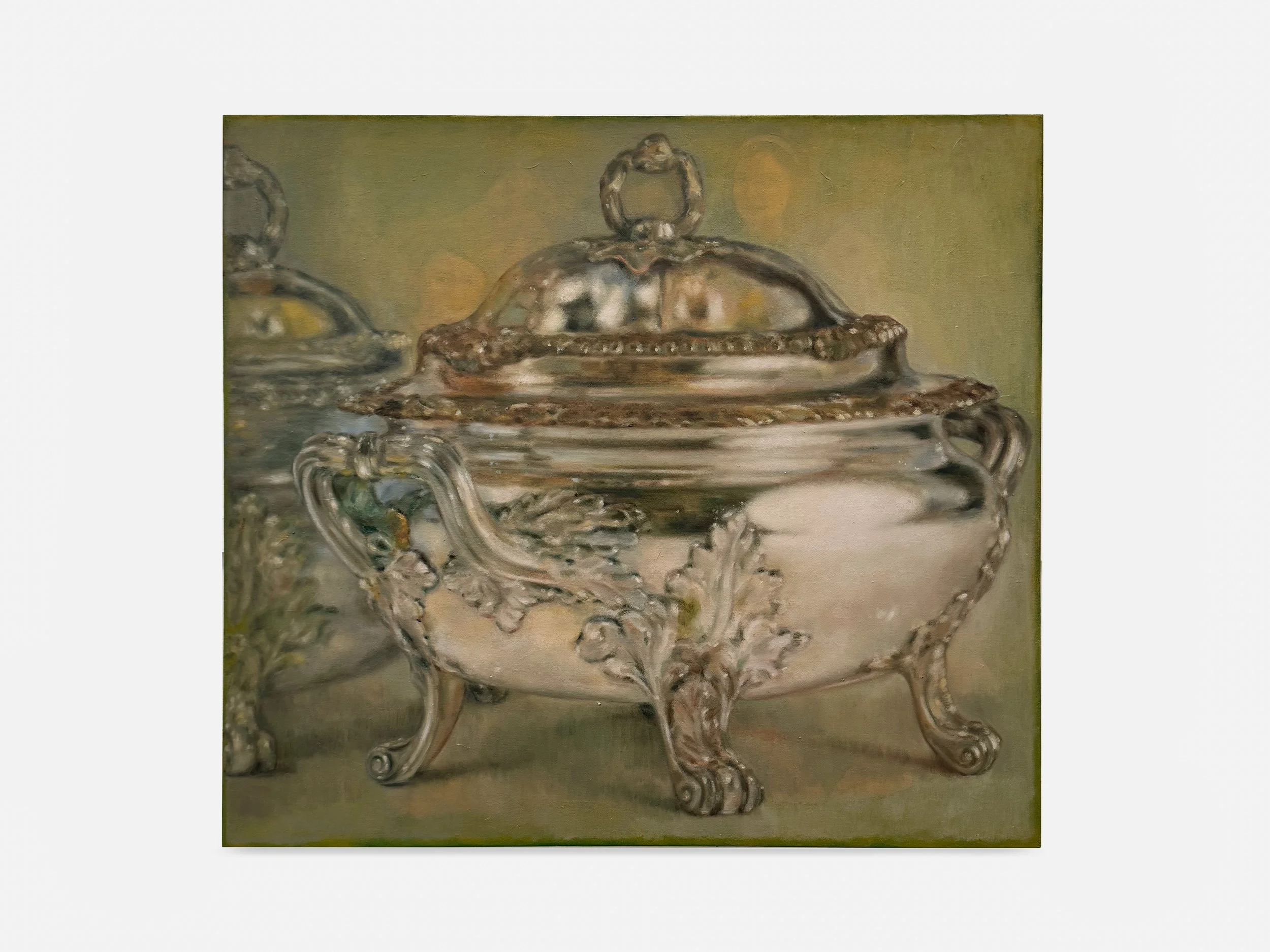
Nada Elkalaawy’s oil painting The Keepsake depicts a glittering, polished metal tureen—an object that may come from her family home, and as the title suggests, a memento, likely gifted by someone to be remembered by. Looking past the tureen’s luminous surface, figures begin to surface through layers of paint, gazing out upon the viewer. Her use of pentimento—where traces of earlier images surface through a painting’s overlaid layers—reveals not only the keepsake itself, but perhaps also a photograph, or an image of those whose memory the object holds. As with El Meleegy’s work, Elkalaawy’s paintings hold both past and present within them, echoing the gestures that came before.
Through casting, shattering, layering, and collage, making itself becomes a restorative act. Bridging past and present, physical and intangible, distant and dear, their work reimagines what it means to endure.